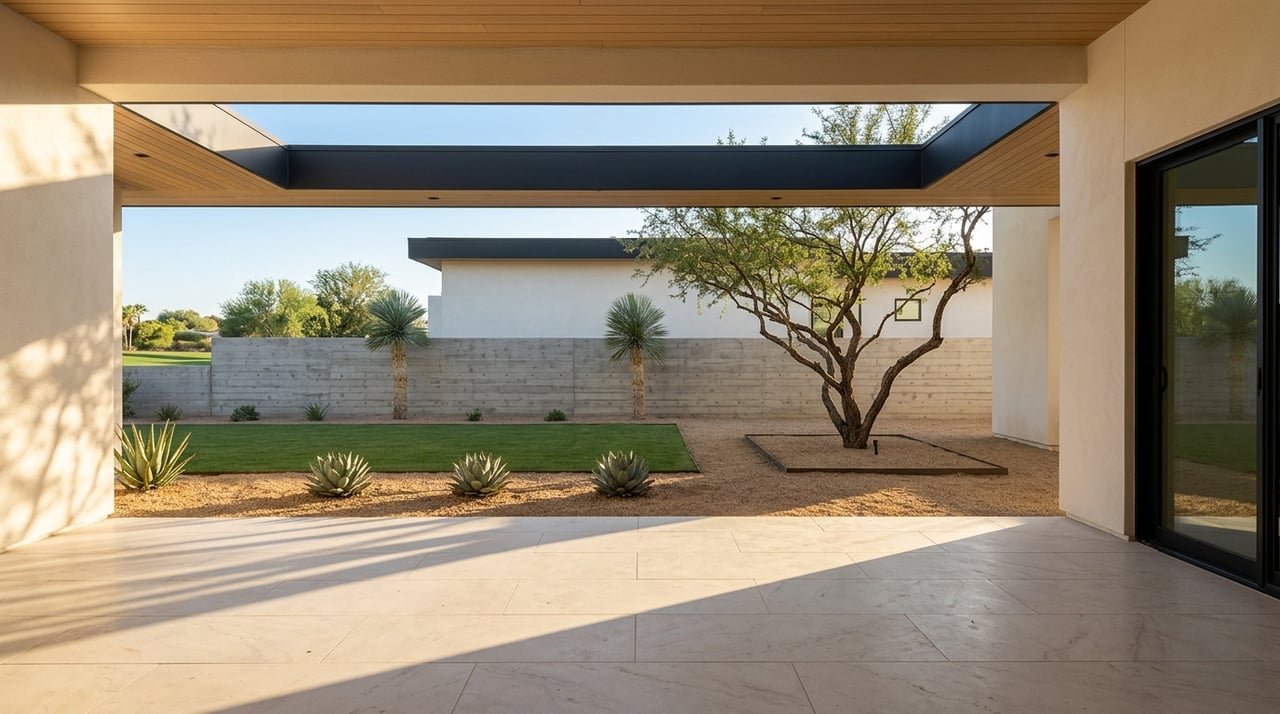
What does “golf community living” in Scottsdale actually mean? For many buyers, the phrase sounds simple, but the reality is much more nuanced. If you are considering a home near a course, inside a club community, or in a golf-oriented master plan, understanding the difference can save you time, money, and surprises later. Let’s dive in.
Scottsdale golf living is not one thing
Scottsdale offers a wide range of golf-oriented lifestyles, and that is the first thing to understand. Some areas center on public golf access, while others revolve around private club membership, HOA structures, and layered ownership rules.
In the middle of the city, golf and outdoor recreation connect to broader amenities like the Indian Bend Wash Greenbelt. In north Scottsdale, the options expand to include public resort-style clubs, private country clubs, and master-planned communities with very different access models.
For you as a buyer, the key question is not just whether a home is “in a golf community.” The real question is how golf access works and what that means for your day-to-day lifestyle and long-term costs.
Know the golf access model
Before you fall in love with a home, clarify whether the nearby golf experience is public, daily-fee, pass-based, private, or tied to property ownership. Scottsdale has examples of all of these.
Public and daily-fee options
Some of Scottsdale’s best-known golf destinations are open to the public. Grayhawk has been 100% public since 1994 and offers two courses along with dining, shopping, event venues, and junior golf programming.
TPC Scottsdale is another example. It operates two public championship courses, and its pass structure is separate from homeownership, reinforcing that you do not need to own nearby real estate to access the facility.
Troon North also sits on the public end of the spectrum. The club offers advance tee time booking, dynamic pricing, select forecaddie service, instruction, fittings, and public dining, which creates a resort-style feel without a private membership requirement.
Private club communities
Other communities follow a very different model. DC Ranch Country Club is a private, member-owned club, but membership is not tied to buying real estate in the community and club residency is not required.
Desert Mountain is more layered. The community includes a mandatory HOA for all property owners, while club membership may be optional or deed-restricted depending on the property you buy.
That distinction matters. Two homes in the same broader golf area can come with very different obligations, flexibility, and monthly carrying costs.
Lifestyle often goes beyond the fairway
Many buyers start with golf, but they stay for the broader lifestyle. In Scottsdale, club culture often extends well beyond tee times.
At Grayhawk, the experience includes dining, events, and junior golf. At DC Ranch, the club offers a year-round calendar that includes social events, wine and food programming, tennis, golf, fitness, cooking, and wellness activities.
Desert Mountain takes that idea even further with multiple clubhouses, restaurants, hiking and biking trails, theme nights, live concerts, a VIP speaker series, and the 42,000-square-foot Sonoran Clubhouse, according to its community and HOA information. If you are buying for a second home, seasonal use, or multi-generational enjoyment, these non-golf amenities may shape your experience as much as the course itself.
Service style matters too
The feel of a golf community is also shaped by how it operates. Troon North, for example, emphasizes course conditioning and pace of play, while also offering select forecaddie service and public dining through its golf operations platform.
That means your experience may be influenced by service level, booking systems, guest policies, and club culture just as much as by the home or lot. A beautiful house near a course may not deliver the lifestyle you want unless the operating model fits how you plan to use it.
HOA and membership rules affect ownership
If you are buying in a Scottsdale golf community, this is where careful review matters most. HOA obligations and club membership structures can materially affect both your budget and your flexibility.
At Desert Mountain, all owners are part of the HOA, which oversees security, infrastructure, and architectural integrity. The community is organized into 32 villages, and each may have its own rules and architectural review guidelines, based on the Desert Mountain HOA overview.
Desert Mountain also notes that membership applications can take about 30 days, that membership prices or dues may not appear in MLS, and that some neighborhoods, including Seven Desert Mountain, are deed-restricted to require club membership. Those are not small details. They can influence timing, budgeting, and even whether a property fits your goals.
DC Ranch highlights a different structure. According to the club’s membership FAQs, family privileges extend to a spouse and children under 24, there is a $1,000 annual food minimum, golf memberships use market-based pricing, and golf members cannot use their own cart on the course.
TPC Scottsdale is a good reminder that even a well-known golf destination may still function as a public, daily-fee facility. Its pass terms and conditions outline booking windows, guest limits, and rates that can vary by season or demand.
Questions to ask before you buy
Before making an offer, it helps to verify the fine print. A golf address can mean very different things depending on the property and community.
Ask for clarity on:
- Whether membership is mandatory, optional, or deed-restricted
- What HOA dues cover
- Whether initiation fees and monthly dues are refundable or transferable
- Whether there is a waitlist or approval period for membership
- Whether guest, cart, dress-code, greens-fee, or food-minimum rules apply
These questions are especially important in luxury markets, where lifestyle expectations are high and ownership structures can be more customized.
Golf lot premiums are real, but not automatic
A home on or near a golf course may command a premium, but buyers should avoid broad assumptions. According to the National Golf Foundation, homes on golf courses have seen an average 15% bump in property value, but that premium varies by geography, home type, golf facility, and location on the course.
In practical terms, not every golf lot is equal. A lot with broad view corridors may be valued differently than one with more maintenance exposure, less privacy, or a location near active play areas.
That is why it helps to separate the idea of a golf address from the specifics of the home itself. Views, privacy, operating context, and club prestige often matter more than the label alone.
Water stewardship is part of the value story
In Scottsdale, golf living also connects to a bigger infrastructure conversation: water. For many buyers, especially those thinking long term, water management is part of understanding the durability of the lifestyle.
The City of Scottsdale reports that about 90% of its drinking water comes from renewable surface water sources, and the city operates an advanced recycled-water system. It also provides non-potable water to 23 north Scottsdale golf courses through its RWDS program, according to the city’s water resources overview.
The city also states that reclaimed-water irrigation helps save an estimated one billion gallons of groundwater annually and supports a drought management plan. For you as a buyer, that makes water stewardship relevant not only from an environmental standpoint, but also in terms of long-term course conditions and operating resilience.
How to evaluate Scottsdale golf communities wisely
The best golf community for you depends on how you plan to live, not just how you plan to play. Some buyers want easy public access and a lock-and-leave second home. Others want a private club setting with broader social programming, structured amenities, and a more defined community framework.
As you compare options, focus on these five factors:
- Access model: public, daily-fee, pass-based, private, optional membership, or required membership
- Amenity mix: golf, dining, fitness, events, trails, and wellness offerings
- Ownership costs: HOA dues, initiation fees, recurring dues, and minimums
- Property fit: lot position, views, privacy, and proximity to active golf areas
- Operational details: guest rules, carts, waitlists, booking windows, and application timelines
If you are relocating, buying a second home, or narrowing a short list in north Scottsdale, this level of review can help you move with much more confidence.
Scottsdale golf community living can be exceptional, but the smartest purchases come from understanding the details behind the lifestyle. If you want a tailored, concierge-level approach to evaluating golf properties, luxury neighborhoods, and ownership structures in Scottsdale, connect with Clayton Wolfe for a private consultation.
FAQs
What does golf community living in Scottsdale usually mean?
- It can mean very different things, including homes near public courses, properties in private club communities, or residences in master-planned neighborhoods with optional or required membership structures.
Are all Scottsdale golf communities private?
- No. Communities and clubs such as Grayhawk, TPC Scottsdale, and Troon North offer public or daily-fee golf access, while places like DC Ranch and parts of Desert Mountain follow private club models.
Is golf membership required when buying a Scottsdale golf home?
- Not always. Some communities have optional membership, some have no membership tie to homeownership, and some properties may be deed-restricted to require club membership.
Do golf course homes in Scottsdale always have higher value?
- Not automatically. The National Golf Foundation says golf course homes have seen an average value bump, but the premium varies based on geography, home type, golf facility, and the home’s exact location on the course.
Why should Scottsdale water resources matter to golf home buyers?
- Water infrastructure can affect long-term course conditions and operating resilience, and Scottsdale states that its recycled-water system supports irrigation for 23 north Scottsdale golf courses while helping conserve groundwater.