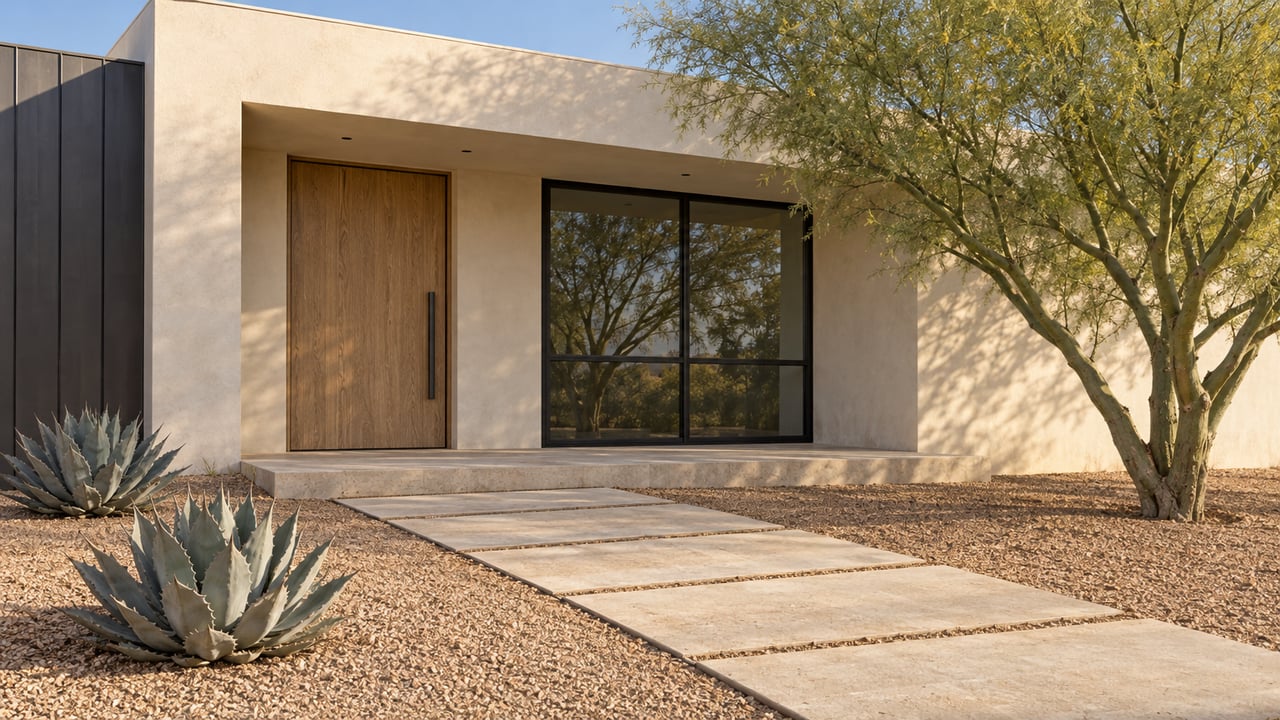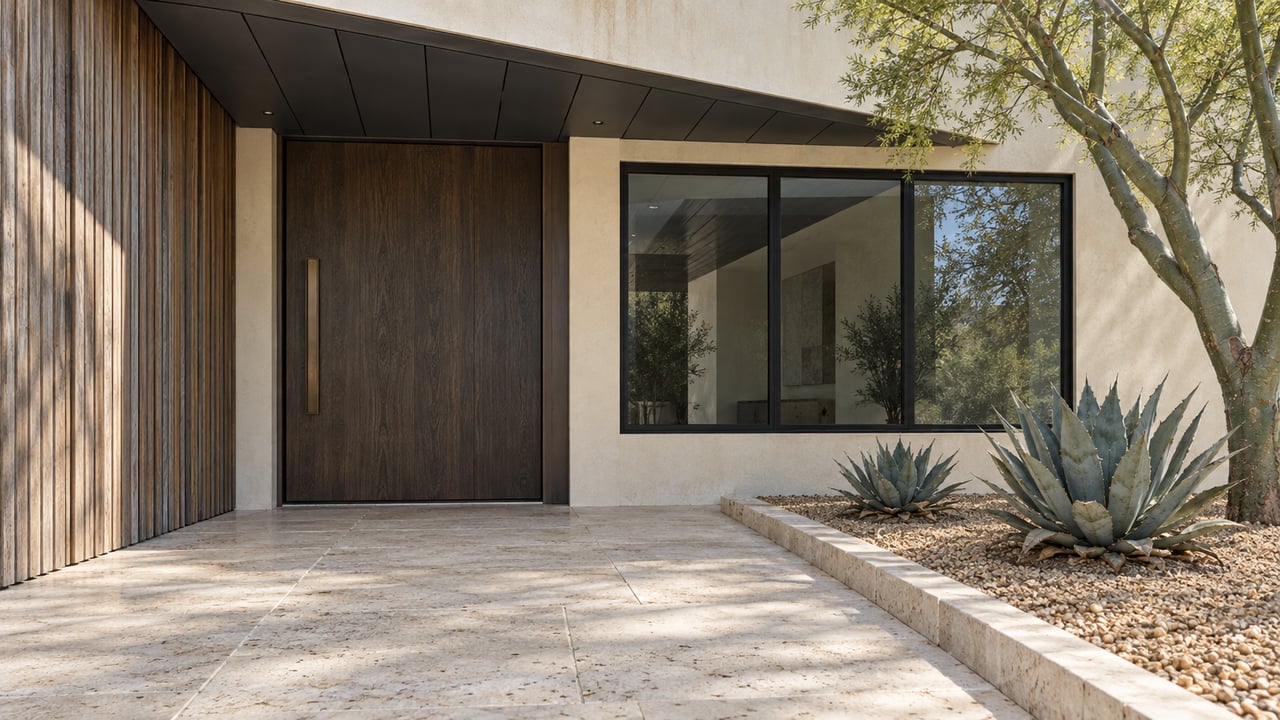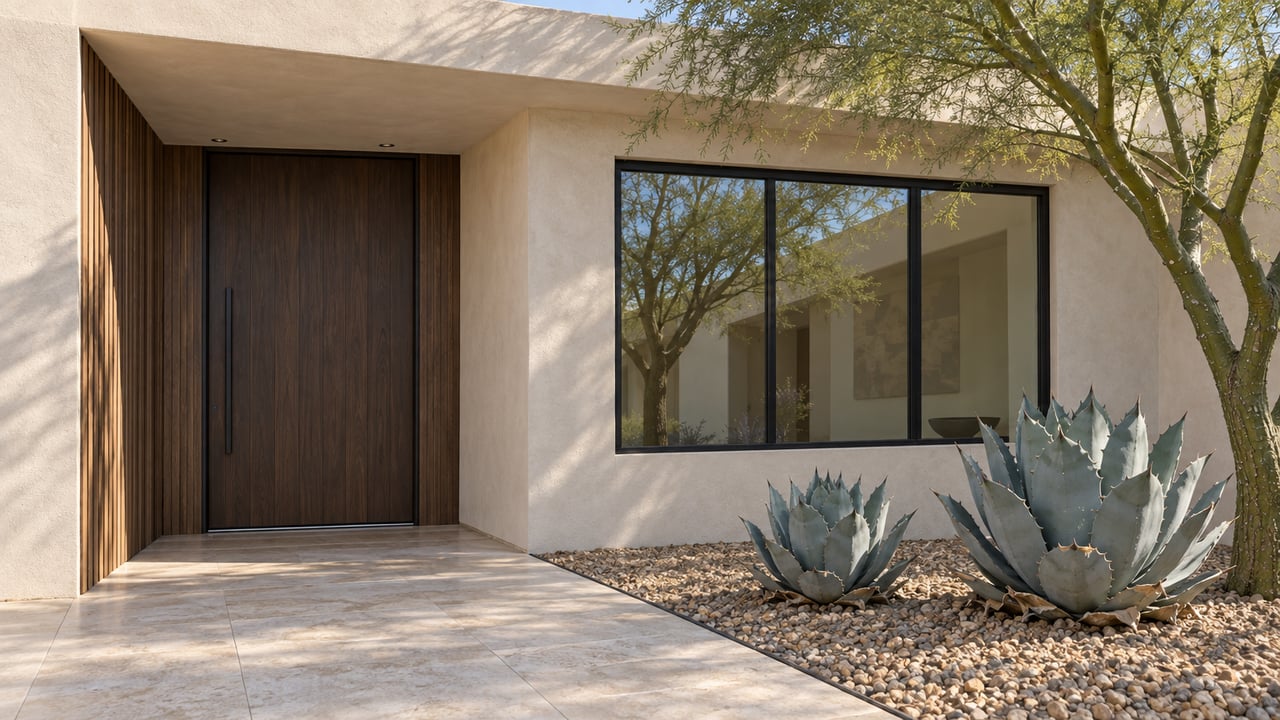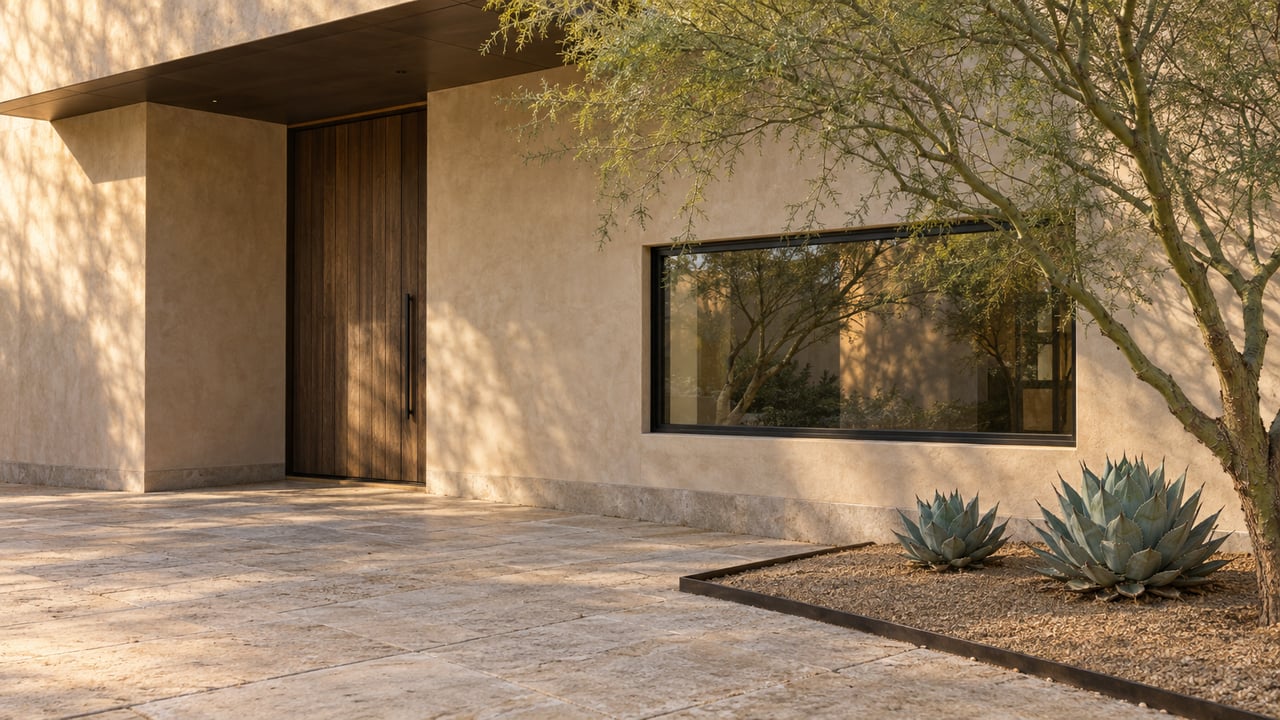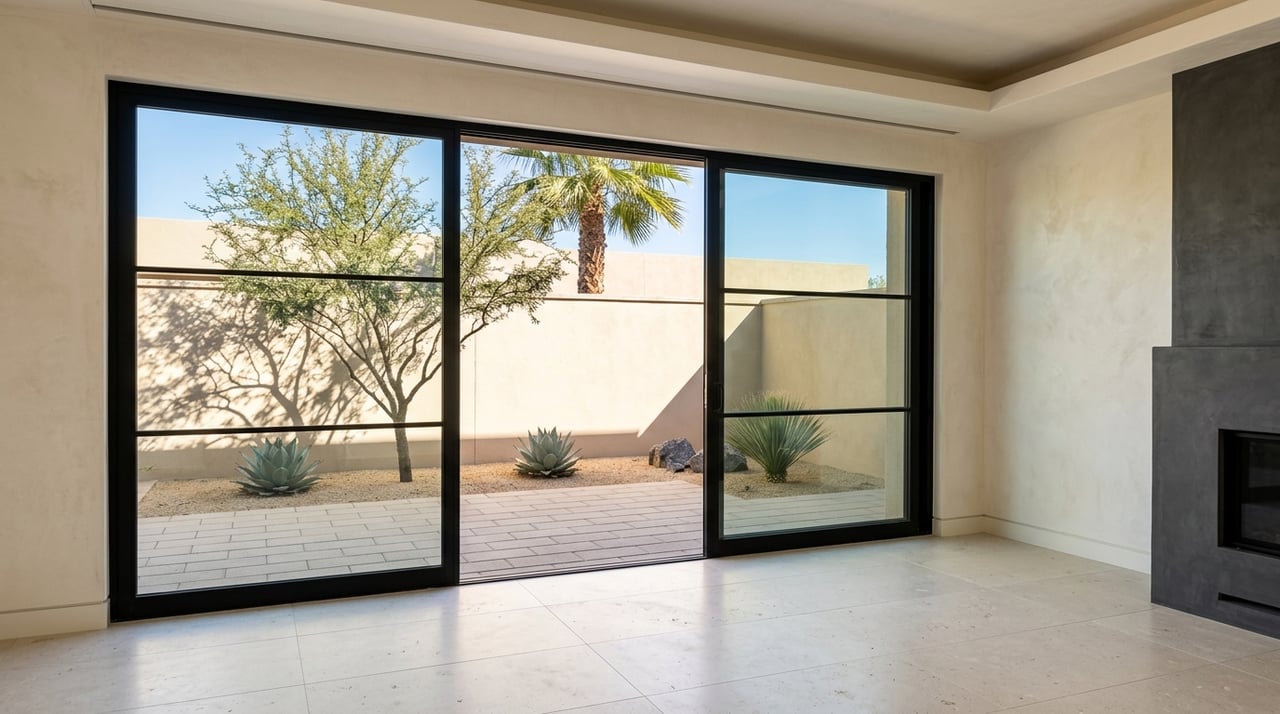
Selling a Paradise Valley estate quietly can sound simple, but true confidentiality takes more than skipping the yard sign. If you want to protect your privacy, control who sees your home, and still stay compliant with Arizona rules, the process needs to be deliberate from day one. This guide walks you through how to prepare a Paradise Valley property for confidential marketing, what private exposure can and cannot do, and how to build a plan that protects both value and discretion. Let’s dive in.
Why confidential marketing fits Paradise Valley
Paradise Valley has long been defined by a quiet, residential character. The town covers about 15.4 square miles and is predominantly zoned for single-family housing, which supports a more private, low-profile setting than many other luxury markets.
That local context matters when you are preparing an estate for sale. In a market where privacy, time efficiency, and controlled access often matter as much as broad exposure, a curated launch can be a practical strategy.
Current market data also points to a high-price luxury segment where a thoughtful rollout makes sense. Recent trackers have placed Paradise Valley home values and sale prices in the multimillion-dollar range, with median days on market ranging from roughly 75 to 87 depending on the source and methodology.
Those numbers are not identical, but they tell a similar story. This is a costly market where sellers often benefit from planning the release of information instead of pushing everything out publicly all at once.
What confidential marketing actually means
Confidential marketing is not hidden marketing. In Paradise Valley, it usually means controlled exposure rather than total secrecy.
A typical confidential process starts with a written plan between you and your broker. That plan should define what details can be shared, who can receive them, and what must wait until a buyer is vetted.
In practice, the rollout often begins with seller-approved teaser materials. From there, it may move to private broker outreach, direct invitations to qualified buyers, or appointment-only showings before any wider public launch.
This structure is more than a style choice. A written, staged process is easier to document and easier to defend than informal word-of-mouth sharing if questions come up later.
Privacy does not replace disclosure in Arizona
This is the most important rule to understand: a private sale is still a real sale, with real disclosure duties. Arizona guidance makes clear that every buyer should receive a Seller’s Property Disclosure Statement, often called the SPDS.
Arizona consumer guidance also says that if you know about facts that materially affect value, and those facts are not readily observable or known to the buyer, you have a duty to disclose them. Known material latent defects also need to be disclosed.
That means an NDA, a private showing process, or an off-market launch does not remove your obligations. Confidential marketing can control access to information, but it cannot erase the legal need to share material facts with a serious buyer.
Arizona law also narrows liability for certain stigmatized facts, such as natural death, suicide, homicide, HIV/AIDS, or a nearby sex offender. But that narrow carve-out should not be confused with the broader obligation to disclose material defects or latent issues that affect value.
Prepare the property before private outreach
When your audience is intentionally small, every impression carries more weight. You may have fewer showings, fewer previews, and fewer chances to correct a weak first impression.
That is why preparation matters even more in a confidential campaign. Your goal is to make the home easy to understand, easy to tour, and easy to evaluate for a qualified buyer.
Start with a disclosure-first review
Before marketing begins, gather the information a serious buyer is likely to request. That may include the SPDS, repair history, upgrade details, utility and systems information, and any available documentation tied to major improvements.
This step helps you avoid scrambling once interest appears. It also creates a cleaner, more credible process when a vetted buyer asks for the next layer of detail.
Define what can be shared early
Not every asset should be released at the same time. Work with your broker to decide what belongs in an initial teaser, what should be reserved for qualified prospects, and what should only be shared later in the process.
For example, broad early materials may focus on architecture, scale, setting, and lifestyle. More specific materials, such as full photography sets, floor plans, or detailed property records, can be held back until the buyer is properly screened.
Create polished, seller-approved materials
In a luxury setting, confidential does not mean casual. It means every photo, description, and talking point should be intentional.
A strong private campaign often relies on carefully edited visuals and concise, neutral copy. For a distinctive Paradise Valley estate, narrative-driven photography and video can help convey design, flow, and setting without overexposing the home to the public.
Plan appointment-only access
Paradise Valley’s sign rules limit the usefulness of traditional public-facing signage. Town materials state that residential signs must remain on private property rather than in the town right-of-way, and signs may not be lighted or animated.
That makes escorted, appointment-only showings the practical default for many confidentiality-minded sellers. Instead of inviting broad traffic, you can structure visits around vetted interest and a controlled timeline.
Understand the limits of digital privacy
One of the biggest mistakes luxury sellers make is assuming private marketing keeps a sale fully invisible. In reality, confidential marketing can limit exposure during the campaign, but it does not erase the public-record trail.
Maricopa County states that recorded documents can be searched online. Deeds may be found through the Assessor by address or parcel number, and sale price information may appear if an Affidavit of Property Value was recorded.
The Recorder also notes that documents can be searched under trust or business names. So while holding title in a trust or entity may reduce casual exposure, it does not eliminate the possibility of later discovery through county records.
That is why the best privacy strategy is realistic. Think in terms of limiting unnecessary visibility during marketing, not promising permanent invisibility after closing.
Extra privacy tools may help
For owners who want closer monitoring of public filings, Maricopa County offers Title Alert notifications. In particularly sensitive situations, Arizona’s Address Confidentiality Program provides a substitute address and confidential mail forwarding for eligible survivors of domestic violence, sexual offenses, and stalking.
These tools serve different purposes, but they support the same idea. Privacy protection works best when you combine controlled marketing with smart administrative planning.
Keep digital advertising neutral and compliant
Even a private campaign is still advertising. Arizona guidance says social media, internet activity, emails, and texts about property or real estate services count as advertising.
That matters because the Fair Housing Act still applies. Digital campaigns should use neutral language, neutral audience settings, and should never filter or target based on protected-class criteria.
For you as a seller, this means your private campaign should still be professionally managed. The copy, audience settings, and delivery methods need to support both discretion and compliance.
Documentation still matters in a confidential sale
Luxury sellers sometimes focus so much on secrecy that they overlook process. But in Arizona, a confidential transaction still needs a solid paper trail.
State law requires employing brokers to keep transaction records, including contracts, earnest-money receipts, closing statements, and related agreements, for at least five years. So even if the public never sees the full marketing campaign, the transaction itself should be documented like any other sale.
This is one reason written strategy matters so much. If you are limiting access, using staged disclosures, or requiring NDAs, the process should be consistent, documented, and clearly managed from the beginning.
A practical confidential-marketing checklist
If you are preparing a Paradise Valley estate for a discreet launch, focus on these fundamentals:
- Clarify your privacy goals before marketing begins
- Decide in writing what information can be shared at each stage
- Prepare disclosure documents early, including the SPDS
- Organize records for repairs, upgrades, and key systems
- Create polished, seller-approved visuals and property messaging
- Use appointment-only, vetted showings
- Keep digital advertising neutral and compliant
- Assume recorded documents may be searchable later
- Document the transaction process carefully from start to finish
Each of these steps supports the same outcome. You are not trying to hide the property from everyone. You are trying to present it selectively, professionally, and with fewer unnecessary exposures.
Why a bespoke plan matters
No two Paradise Valley estates carry the same privacy concerns. One seller may want to avoid public curiosity during a family transition, while another may want to reduce disruption, protect security, or test demand quietly before deciding on a broader launch.
That is why confidential marketing works best as a bespoke strategy rather than a template. The right plan balances timing, pricing, visual storytelling, buyer qualification, and disclosure compliance without treating privacy as an excuse for shortcuts.
For a high-value home, details matter. The preparation phase shapes who sees the property, how they perceive it, and how smoothly the transaction moves once serious interest appears.
If you are considering a confidential sale in Paradise Valley, the goal is simple: protect your time, preserve your privacy, and still bring structure and clarity to every step. For a tailored strategy built around discretion, presentation, and qualified exposure, connect with Clayton Wolfe.
FAQs
What does confidential marketing mean for a Paradise Valley estate?
- It usually means a controlled-release strategy where information is shared in stages with vetted buyers or brokers instead of being pushed immediately into a broad public launch.
Does a private Paradise Valley home sale avoid Arizona disclosure rules?
- No. Arizona disclosure duties still apply, including the expectation that buyers receive a Seller’s Property Disclosure Statement and that known material defects or latent issues be disclosed.
Can an NDA replace disclosure in an Arizona luxury home sale?
- No. An NDA can help control access to information, but it does not replace your legal duty to disclose material facts affecting the property.
Are yard signs limited for Paradise Valley residential properties?
- Yes. Town materials state that residential signs must stay on private property rather than in the right-of-way and may not be lighted or animated.
Does confidential marketing keep a Maricopa County sale out of public records?
- No. Recorded documents may still be searchable by name, trust, business name, address, or parcel number through county systems.
Is digital advertising for a private Arizona listing still subject to fair housing rules?
- Yes. Digital advertising is still advertising, so it should use neutral language and neutral audience settings and must comply with fair housing requirements.