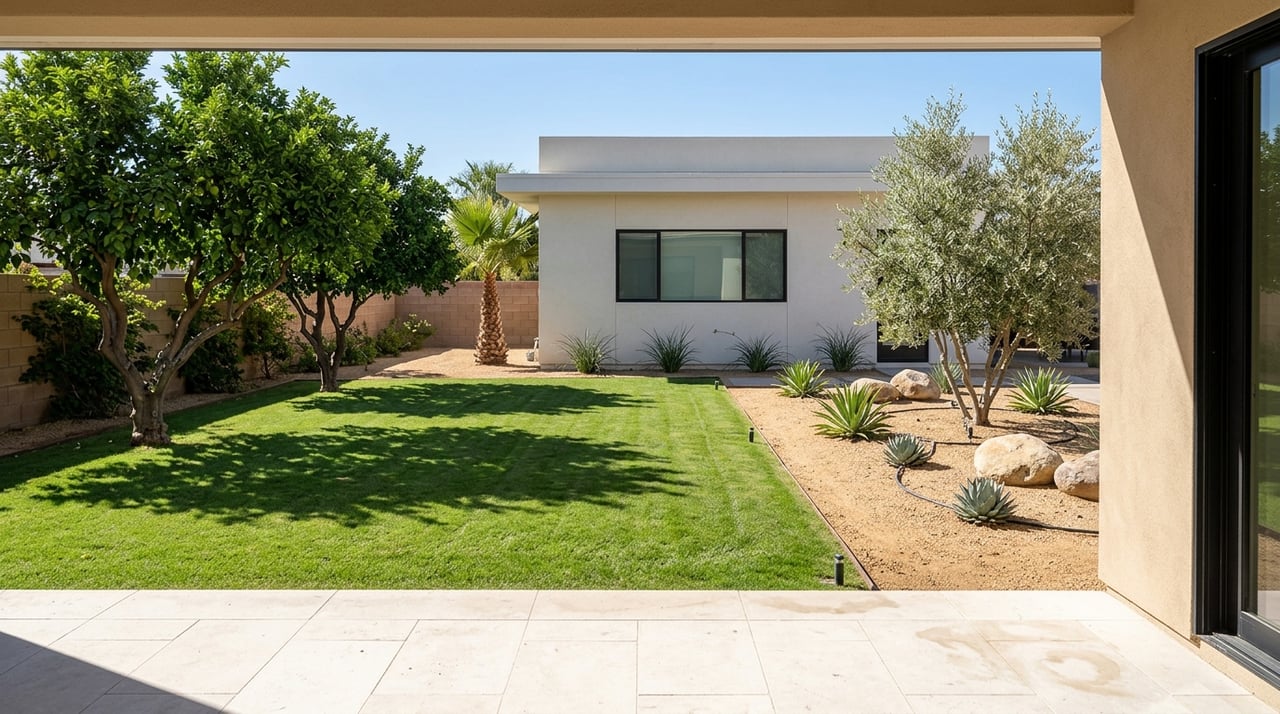
Wondering why two homes in Arcadia can feel completely different even when they sit just minutes apart? In this part of Phoenix, lot size and irrigation often shape your day-to-day experience as much as the house itself. If you are buying in Arcadia, understanding how parcel size, flood irrigation, and zoning work together can help you choose a property that fits your lifestyle, maintenance goals, and long-term plans. Let’s dive in.
Why Arcadia Lot Size Matters
Arcadia’s lot pattern starts with its history. According to the City of Phoenix historic survey, the original 1919 plat divided land into very large parcels, with roughly ten-acre lots east of 56th Street and roughly five-acre lots west of 56th Street. The area was designed around small citrus orchards, which still influences how many properties feel today.
That history helps explain why Arcadia is known for generous yards, mature landscaping, and a more estate-like rhythm in certain pockets. At the same time, Arcadia is not uniform. The City of Phoenix Arcadia Camelback planning document shows that parcel sizes now vary widely across the broader area, with some sections ranging from about two-thirds of an acre to nearly five acres, and others from roughly three-quarters of an acre to 2.85 acres.
For you as a buyer, that means the Arcadia name alone does not tell the full story. One block may offer deep setbacks, broad side yards, and a more secluded feel, while another may present a smaller footprint with a very different outdoor experience. In practical terms, lot size affects privacy, landscape scale, and what you may be able to do with the property over time.
How Irrigation Shapes the Property Experience
In Arcadia, irrigation is not just a utility detail tucked into the background. It is a working system that can directly affect how the yard looks, how it is maintained, and what responsibilities come with ownership.
SRP explains that flood irrigation water moves through canals and laterals to a neighborhood delivery gate. From there, private neighborhood systems carry water to individual properties, and homeowners are responsible for the system from the gate to their property. SRP also notes that flood irrigation is a practical way to deep-water lawns and landscape plantings.
Arcadia Water Company is another important part of the local picture. On its official site, the company says it was incorporated in 1919 to furnish irrigation water to members and that landowners in the district hold rights to the water subject to membership and delivery or repair charges. It also states that sub-distribution systems serving individual subdivisions are owned and maintained by the relevant members or their HOA.
That structure matters because an irrigated lot can bring both beauty and responsibility. The mature canopy, broad lawns, and orchard-style landscaping many buyers associate with Arcadia are often tied to this long-standing irrigation framework. At the same time, the system may involve gates, laterals, scheduling, maintenance, and coordination that you will want to understand before closing.
What Large Lots Usually Feel Like
A larger lot changes more than the property line on a map. In the Arcadia Camelback planning document, the City of Phoenix describes many parcels as buffered by six-foot walls, deep setbacks, and side-street access rather than direct exposure to major roads.
For buyers, that often translates to a more separated feel from neighboring properties and more usable outdoor space. You may have more room for landscaping layers, pool areas, guest structures, or outdoor living zones, depending on the site and zoning. That sense of space is one reason some Arcadia homes feel distinctly private even within a central location.
Of course, more land also means more decisions. A broad irrigated yard can deliver shade, greenery, and a classic Arcadia setting, but it can also require more upkeep than a compact property with a lower-water landscape. The right fit depends on whether you want a full outdoor experience or a simpler lock-and-leave setup.
The Trade-Off Between Shade and Maintenance
Arcadia’s identity is closely tied to its citrus-orchard roots and mature landscaping. The City of Phoenix historic survey notes that the neighborhood was originally promoted as citrus-oriented rural estate land, and that legacy still shows up in how some lots are planted and maintained.
If you love the look of a lush yard, flood irrigation can support deep watering for lawns and landscape plantings. But ownership comes with operational realities. SRP says homeowners are responsible for the irrigation system from the delivery gate to the property, while Arcadia Water Company says members or HOAs maintain the sub-distribution systems that carry water to the land.
That means your decision is not simply about aesthetics. It is also about repair risk, yard labor, shared-system coordination, and how much time or money you want to devote to landscape care. For some buyers, that trade-off is worth it. For others, a lower-maintenance design is the better match.
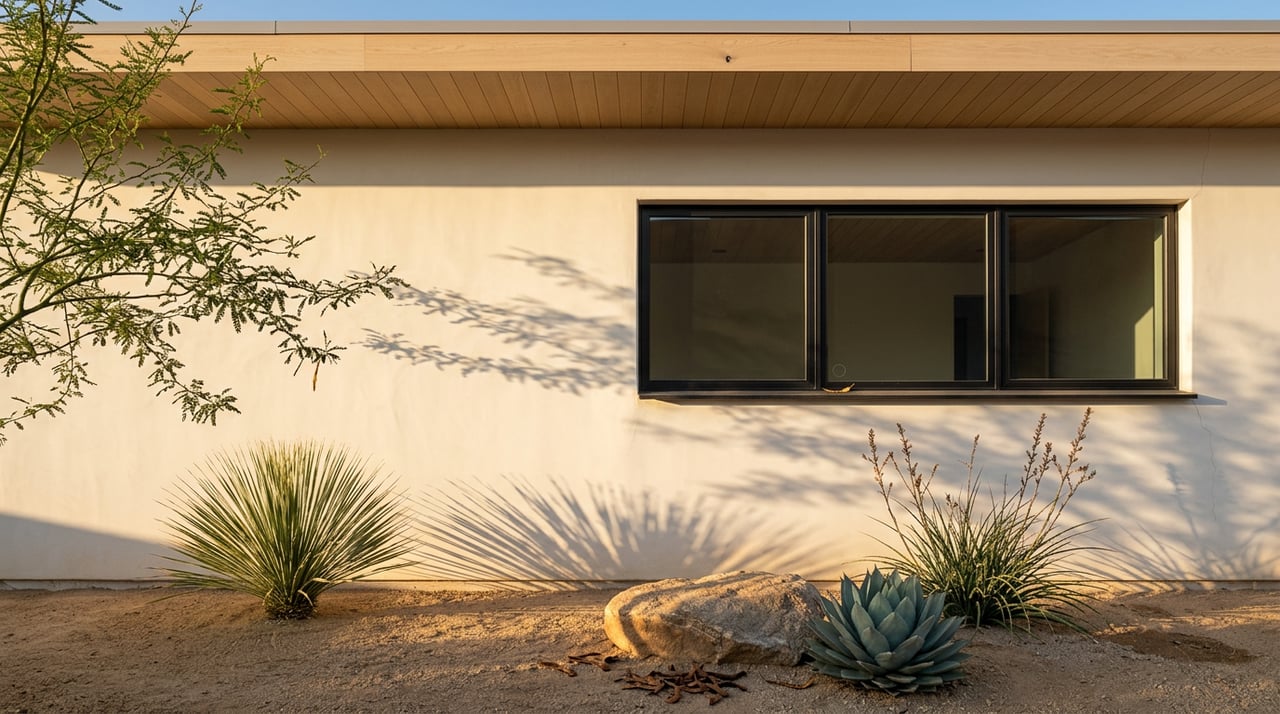
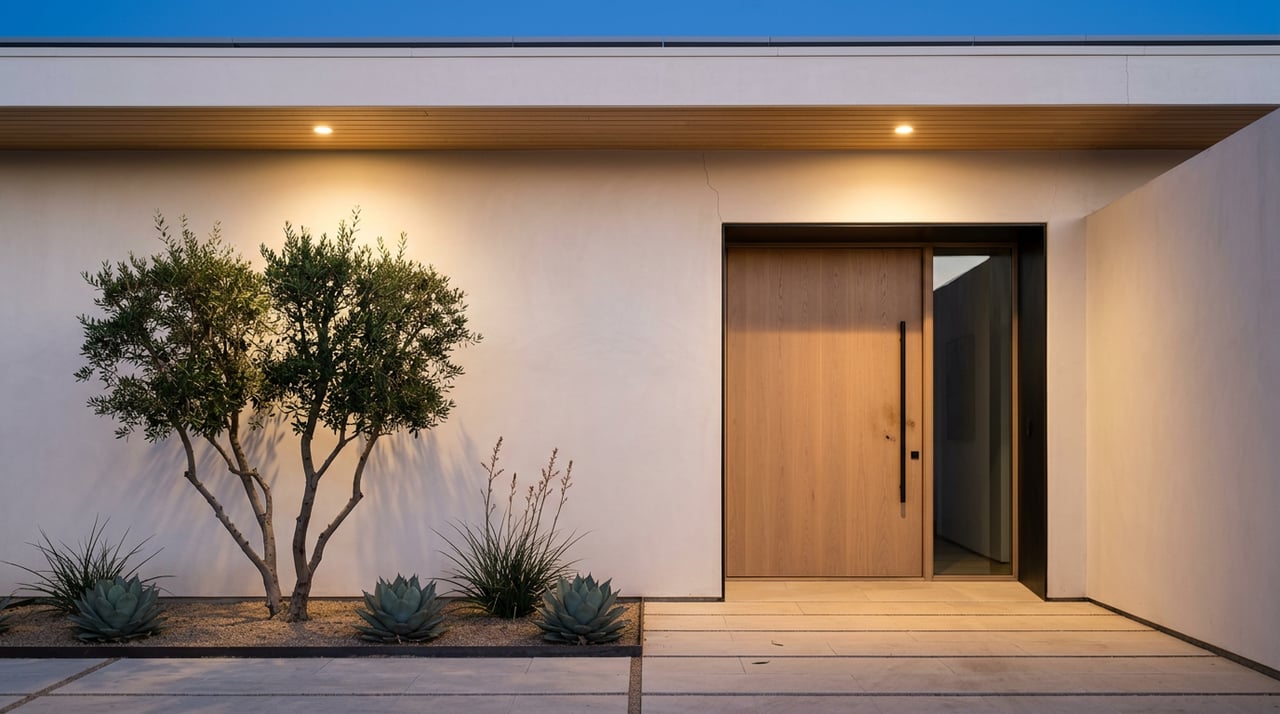
Low-Water Landscaping Is an Option
If your priority is reduced upkeep, Phoenix offers tools that may support a more water-wise landscape approach. The city says it offers $2 per square foot for residential grass removal, notes that desert landscaping can cut outdoor water use by 85% compared with grass, and offers up to $75 for a smart irrigation controller.
The city also encourages drip irrigation and low-water plants. Still, converting a large yard is not something to do casually. Phoenix states that grass removal projects must be pre-approved, bare soil and water features are not allowed in the removed-grass area, HOA rules still apply, and landscape projects over 5,000 square feet are reviewed case by case.
So if you are considering a lower-water Arcadia property, it helps to think beyond the current yard. Ask whether the lot’s irrigation setup, HOA standards, and landscape plan support the outcome you want. In Arcadia, the landscape strategy is often just as important as the house itself.
Zoning Can Matter More Than Acreage
A common mistake is assuming a bigger lot automatically allows unlimited expansion. In Arcadia, renovation potential depends on the zoning envelope, not just parcel size.
Phoenix’s RE-35 development standards allow 25% lot coverage in the standard option, or up to 40% if all structures are under 20 feet and one story. The same standards include 40-foot front and rear setbacks and 20-foot side setbacks under the standard option. If you are thinking about an addition, detached structure, or major rebuild, these rules can be just as important as the lot dimensions.
This is especially relevant in a neighborhood where buyers often look at homes as both a current residence and a future opportunity. A parcel may look large enough for a major expansion, but the usable building envelope can be more limited than expected. Reviewing those constraints early can save time and sharpen your search.
ADUs and Land Changes Need Careful Review
Accessory dwelling units are now a more relevant part of the planning conversation. Phoenix says the city allows two ADUs per lot, and sometimes three, with each ADU capped at 75% of the main house’s gross floor area. The city also notes a size limit of 1,000 square feet on lots up to 10,000 square feet and 3,000 square feet on larger lots.
Phoenix directs owners to confirm zoning in My Community Map and verify official lot size with the Maricopa County Assessor. If you are buying with the goal of adding guest space, a detached office, or another auxiliary structure, these details should be part of your early due diligence.
The same goes for lot splits, lot combinations, or lot line adjustments. Phoenix has a formal process for those land changes and notes that staff may require a final plat, while variances, hillside review, or other prerequisites may apply in some cases. In Arcadia, land value is often tied closely to what can actually be approved.
Questions to Ask Before You Buy in Arcadia
Before you move forward on a property, it helps to focus on a few practical questions:
- Does the parcel have active flood irrigation?
- Who owns and maintains the laterals, gates, and sub-distribution lines?
- What is the official lot size?
- What zoning district and overlay status apply to the property?
- If you want an addition, rebuild, or ADU, what setbacks and coverage rules control the site?
- If you want to reduce turf, what city approvals or HOA rules apply?
- Are you looking for shade, privacy, and a larger outdoor footprint, or would a lower-maintenance yard better fit your lifestyle?
These questions may sound technical, but they are really about how you want to live. In Arcadia, lot size and irrigation influence privacy, maintenance, flexibility, and overall ownership experience.
Why This Matters for Arcadia Buyers
Arcadia remains one of the Valley’s most distinctive neighborhoods because it offers more than a collection of homes. It offers a range of property experiences shaped by lot scale, irrigation infrastructure, and planning rules that trace back more than a century.
If you are comparing homes here, look beyond interior finishes and square footage. A large irrigated parcel can offer presence, shade, and long-term versatility, while a smaller or more water-wise property may better suit a lower-maintenance lifestyle. The best choice depends on how you want the property to function today and what options you want to preserve for the future.
When you evaluate Arcadia through that lens, you can make a more confident decision and avoid surprises after closing. For tailored guidance on Arcadia lot characteristics, zoning context, and property fit, connect with Clayton Wolfe for a private consultation.
FAQs
How does lot size affect home choices in Arcadia?
- Lot size can affect privacy, outdoor living space, landscaping scale, and what may be possible for future additions or rebuilds.
How does flood irrigation work for Arcadia homes?
- SRP says water is delivered to a neighborhood gate, then private systems carry it to properties, with homeowners responsible for the system from the gate to their property.
What should buyers ask about irrigation in Arcadia?
- You should ask whether irrigation is active, who maintains the gates and laterals, whether an HOA is involved, and what repair or delivery costs may apply.
Can a larger Arcadia lot always support a bigger house or guest structure?
- No. Phoenix zoning rules such as lot coverage limits and setback requirements can restrict what can be built even on a large parcel.
Are ADUs allowed on Arcadia properties in Phoenix?
- Phoenix says ADUs are allowed, with the number and size tied to lot size, the size of the main house, and the property’s zoning.
Can buyers replace grass with desert landscaping in Arcadia?
- Yes, but Phoenix says grass removal projects must be pre-approved, HOA rules still apply, and larger landscape projects may receive case-by-case review.