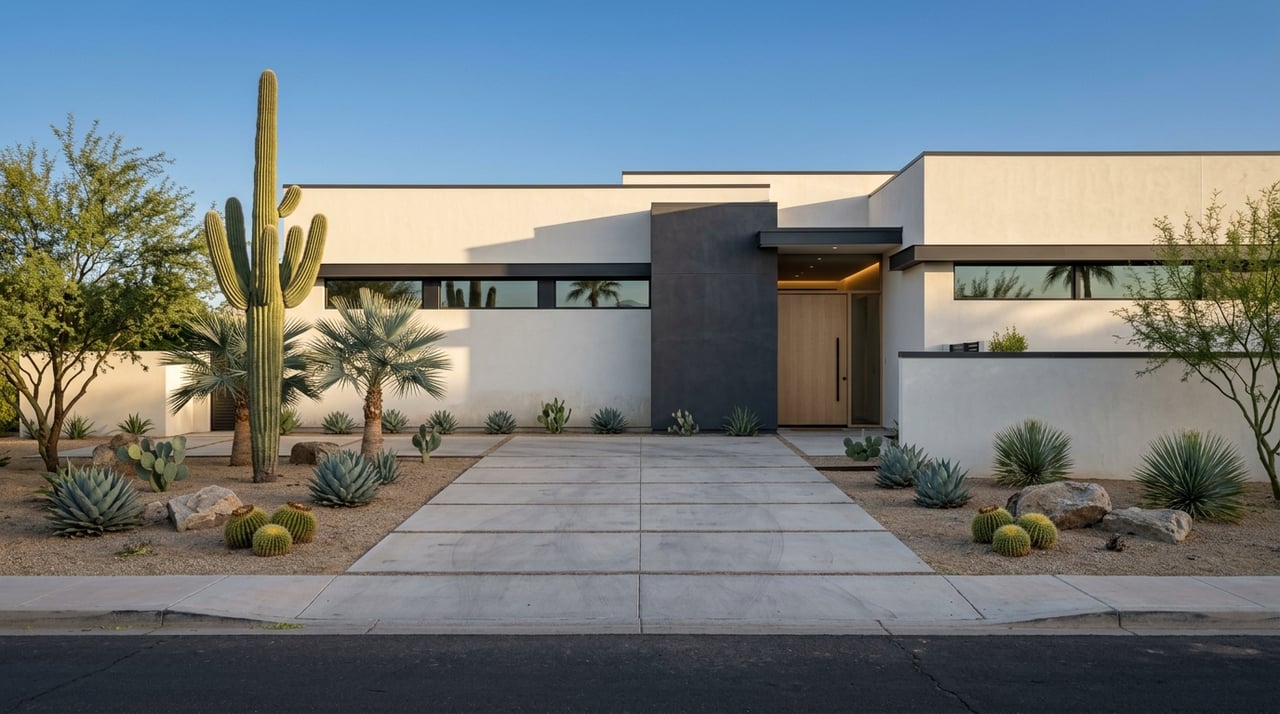
Wondering what really makes Paradise Valley feel different from the rest of the Valley? It is not just the price point or the famous addresses. It is the way mountain views, quiet roads, resorts, and custom homes come together in one low-density setting. If you want to understand the town through your windshield and your design eye, this guide will walk you through the scenic routes and architectural details that define Paradise Valley. Let’s dive in.
Why Paradise Valley Looks the Way It Does
Paradise Valley covers about 15.4 square miles in Maricopa County, but it feels far more expansive because of its large lots, open views, and low-density layout. The town was incorporated in 1961 with a goal of preserving a quiet residential setting with minimal government intervention. Today, its General Plan still describes Paradise Valley as semi-rural, with limited commercial use and no industrial use.
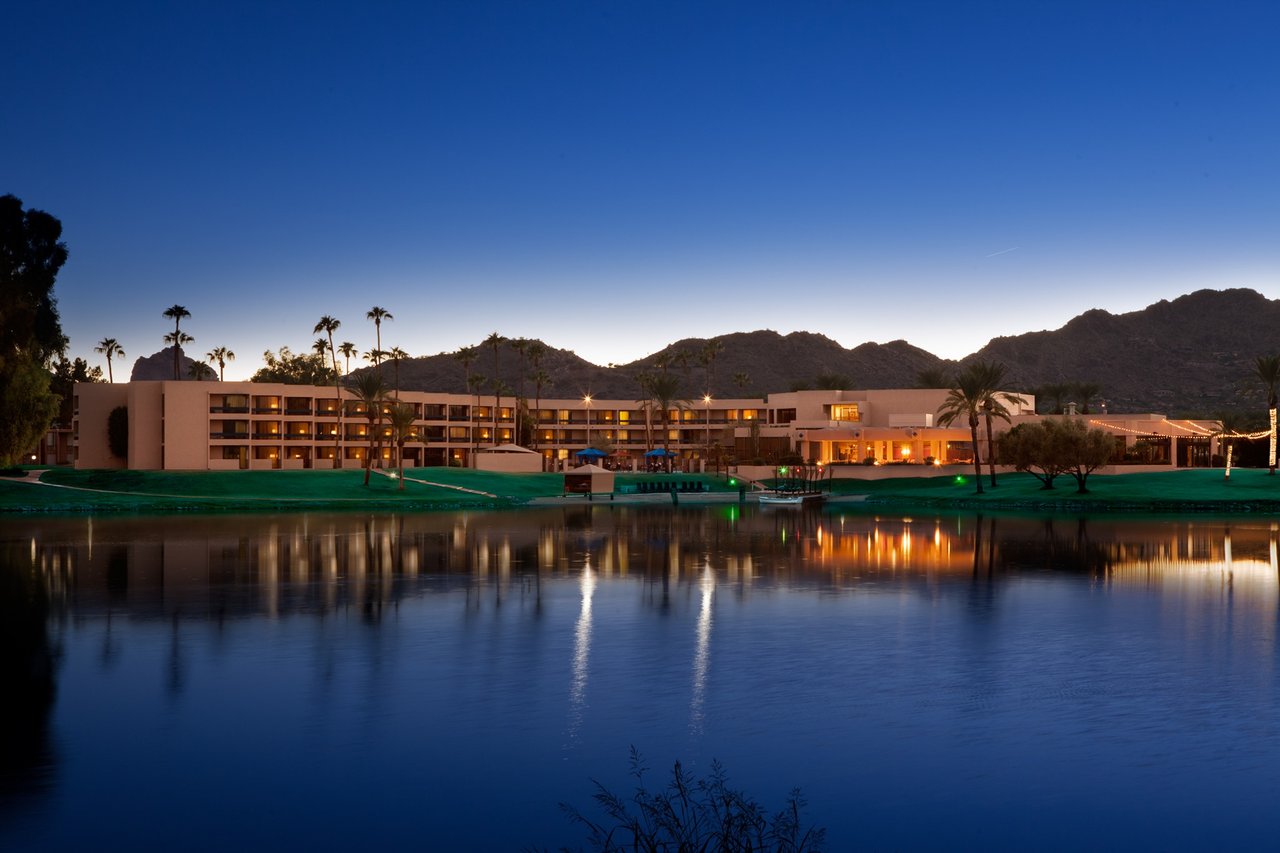
That planning approach shapes the experience of every drive. Instead of a dense retail corridor, you get long sightlines, desert landscaping, and homes set back from the street. With Camelback Mountain, Mummy Mountain, the Phoenix Mountain Preserve, and the McDowell Mountains framing the town, the scenery is part of the identity.
The town also officially designates Lincoln Drive and Tatum Boulevard as visually significant corridors. That matters because these roads are not just practical routes. They are some of the clearest public windows into Paradise Valley’s landscape, architecture, and market character.
Scenic Drive: Lincoln Drive Corridor
If you only have time for one drive, start with Lincoln Drive. This is the easiest way to get a strong first impression of Paradise Valley because it combines mountain views, resort architecture, civic design, and estate-scale surroundings in one route.
Following Lincoln from the Scottsdale side toward Tatum Boulevard, you move through a sequence that feels distinctly Paradise Valley. The visual story is less about storefronts and more about curated desert edges, refined entrances, and broad views toward the mountains.
What You’ll Notice on Lincoln Drive
Along this corridor, several well-known properties help tell the town’s story. Camelback Inn dates to 1936, while Mountain Shadows emerged in the 1950s as part of the area’s early resort era. Sanctuary on Camelback Mountain adds a contemporary architectural note, with clean forms and strong visual connections to the mountain backdrop.
This stretch also includes the Town Hall Complex at Lincoln and Invergordon. It offers a useful contrast to the private luxury properties nearby. The original town government building was designed by architect William Bruder, adding a civic design moment to a drive otherwise shaped by resorts and custom homes.
Why Lincoln Matters for Buyers and Sellers
Lincoln Drive helps explain why Paradise Valley feels so distinct at the top of the market. You are not just seeing homes. You are seeing how architecture, setbacks, and desert landscaping create a place with visual calm and a strong sense of arrival.
For buyers, this drive can help clarify what the town offers beyond square footage. For sellers, it reinforces how location, views, and architectural presentation all contribute to value in Paradise Valley.
Scenic Drive: Tatum Boulevard and Price House
Tatum Boulevard is the other officially designated visually significant corridor, and it is arguably the most important drive for architecture-minded visitors. If Lincoln tells the resort and landscape story, Tatum tells the pedigree story.
This route is anchored by the Harold Price, Sr. House at 7211 N. Tatum. Built in 1954, it is a Frank Lloyd Wright residence on a 9-acre site, described by the foundation as a desert dwelling. That single landmark says a lot about Paradise Valley’s architectural legacy.
Architectural Highlights on Tatum
The Price House gives this corridor real historical depth. It ties Paradise Valley to a broader desert-modern design tradition while showing how architecture here can feel both expressive and rooted in the landscape.
Nearby, the Paradise Valley Country Club area reflects the town’s early resort-and-real-estate era around Tatum and Lincoln. Together, these elements show why Paradise Valley reads as both a luxury residential market and a place with serious architectural credibility.
What This Drive Reveals About the Market
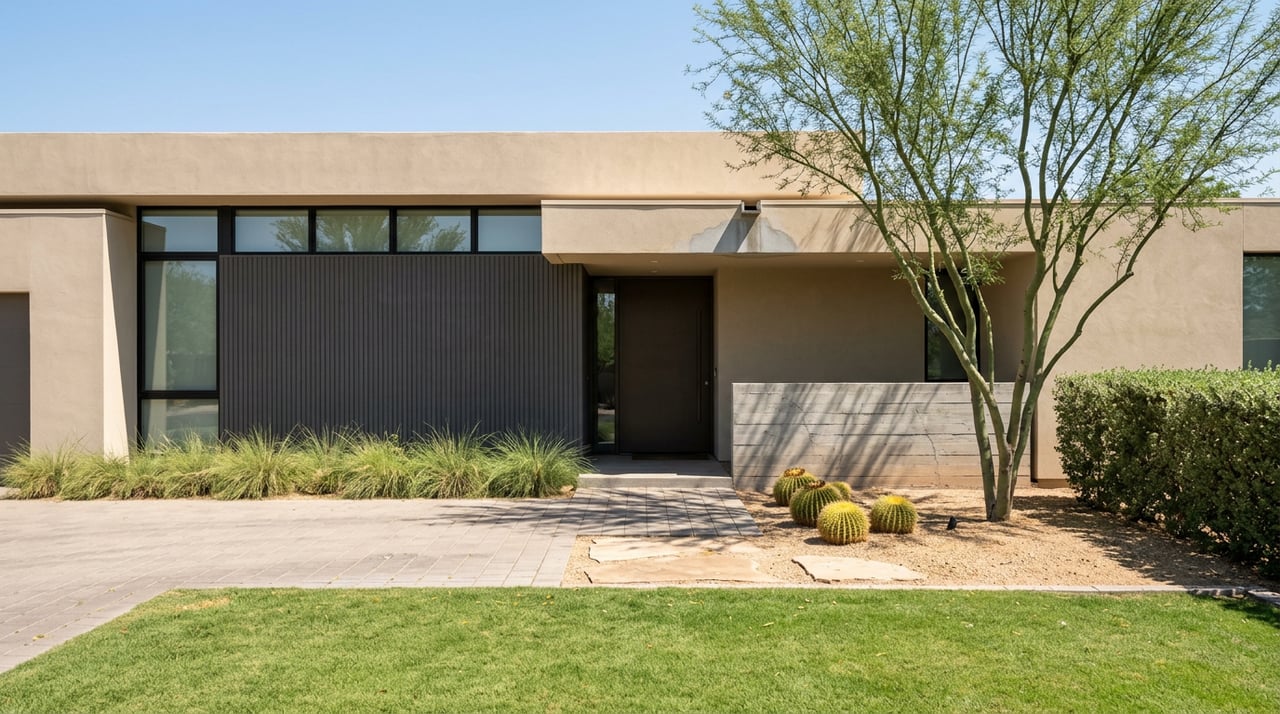
Architecture in Paradise Valley is not limited to one look. The town’s General Plan supports a broad mix of styles and encourages an eclectic built environment that still fits the desert setting. That means older homes, major remodels, and new custom construction often exist side by side.
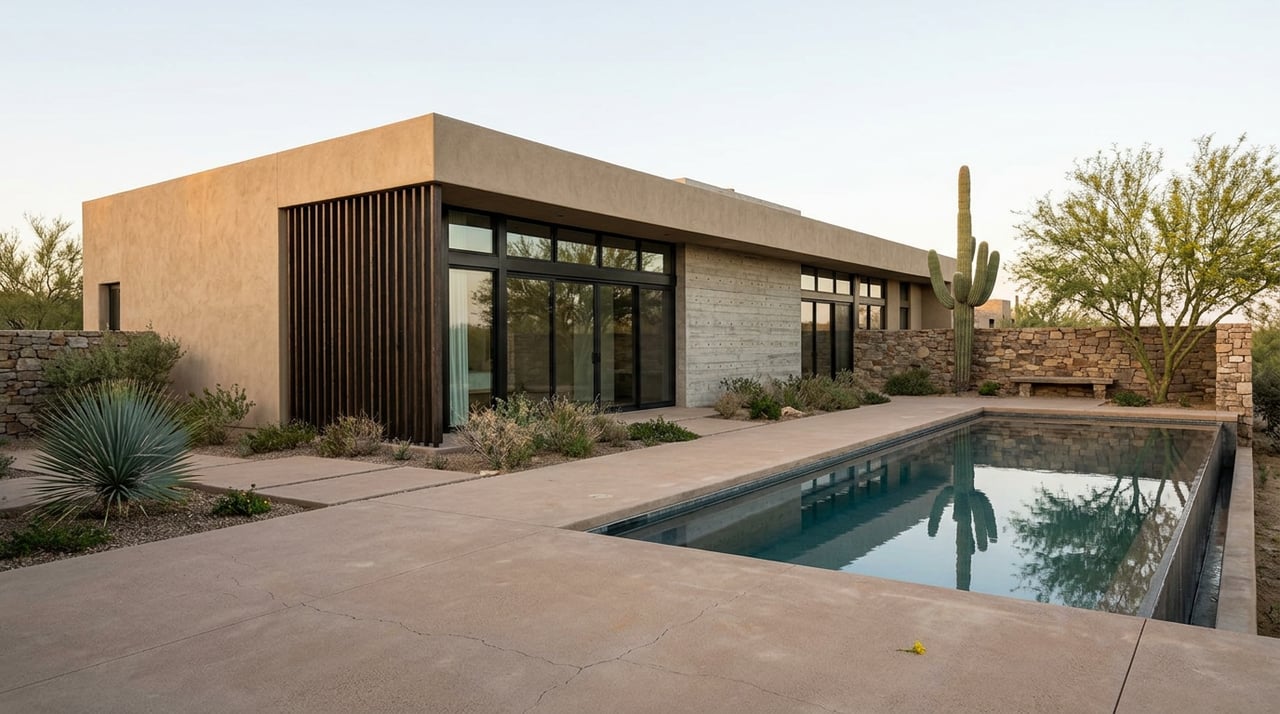
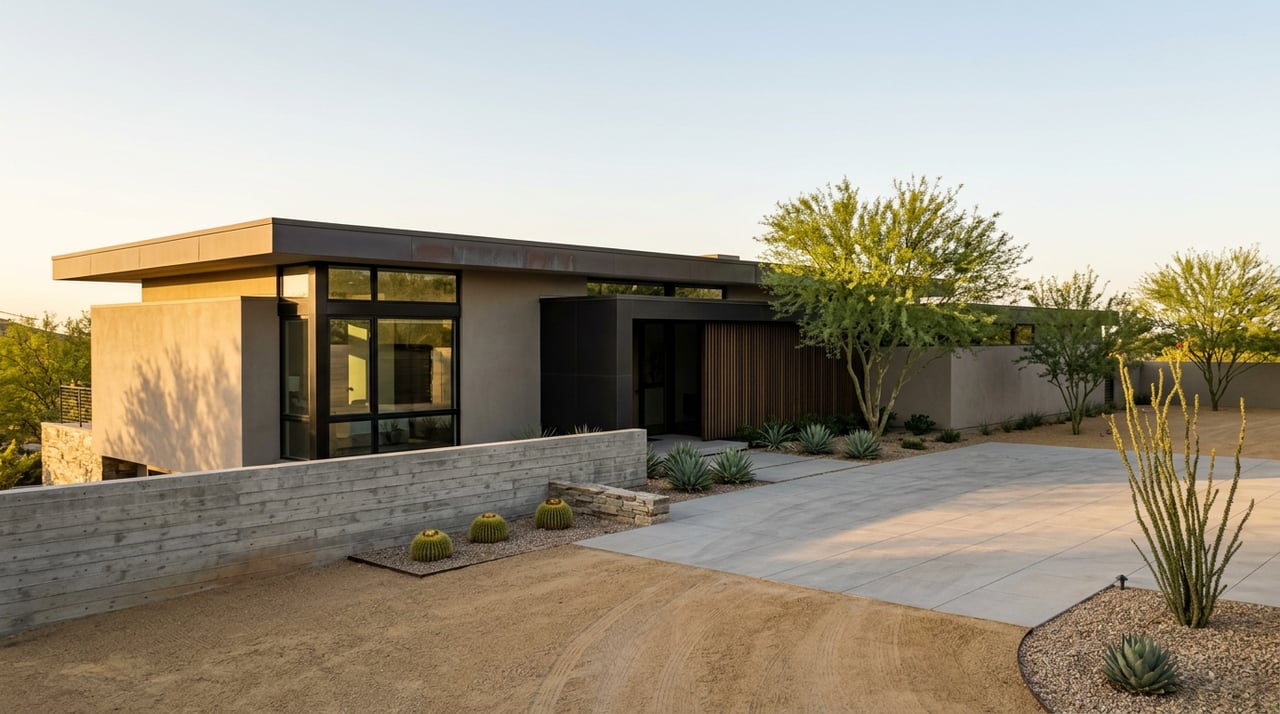
You can see that pattern in today’s development story as well. New luxury homes in town are being planned with modern and transitional architecture, reflecting the continued evolution of the built environment as Paradise Valley approaches build-out.
Scenic Drive: Interior Estate Loop
If you want a quieter and more residential experience, take Lincoln as your anchor and loop into Invergordon Road, Northern Avenue, and Mockingbird Lane. This route offers a different kind of beauty. It is less about public-facing landmarks and more about privacy, lot scale, and the rhythm of estate neighborhoods.
The town’s streets are intentionally designed to limit through traffic on local roads. That design choice becomes obvious once you leave the main corridors. The pace slows down, and the residential character becomes the main attraction.
What Stands Out on the Interior Loop
On this drive, the details are subtle but important. You notice deeper setbacks, larger parcels, mature desert landscaping, and homes positioned to capture mountain views while preserving privacy.
The Invergordon, Mockingbird, and Northern area also includes a roundabout, which reflects the town’s current street design approach. Even small infrastructure choices support a calmer, more controlled driving experience.
Why This Route Matters
This interior loop helps explain why Paradise Valley often feels more like a collection of private estates than a typical suburb. The streets do not push you quickly from one retail node to another. They invite a slower reading of the neighborhood fabric.
For anyone considering a purchase here, that matters. The visual quiet, spacing between homes, and relationship to the landscape are a meaningful part of the value proposition.
Side Trip: Cosanti
For a very different architectural note, add a stop at Cosanti. This site was Paolo Soleri’s Paradise Valley studio and residence, and it stands apart from the town’s more formal resort and estate architecture.
Cosanti brings an experimental, desert-architecture lens to the experience of Paradise Valley. Where the resorts and many custom homes emphasize polish and composure, Cosanti introduces a more sculptural and exploratory design language.
Why Cosanti Is Worth Seeing
If you are interested in architecture, Cosanti broadens your understanding of the town. It shows that Paradise Valley is not only about luxury finishes or large homes. It also sits within a regional design legacy shaped by ideas about climate, form, and the desert environment.
That contrast is part of what makes Paradise Valley so compelling. Within a relatively small area, you can move from resort elegance to Wright-inspired design to Soleri’s experimental forms, all while staying rooted in the same Sonoran setting.
Architectural Themes You’ll See Across Town
Paradise Valley does not present a single signature style. Instead, it offers an eclectic mix that still feels cohesive because the desert setting ties everything together.
Across the town, architecture readers are likely to notice a few recurring themes:
- Strong connections to mountain views
- Generous setbacks and estate-scale site planning
- Desert landscaping instead of urban streetscapes
- A blend of older homes, remodels, and new custom builds
- Modern, transitional, midcentury, and contemporary influences living side by side
This mix is especially important in a market where older properties are often being remodeled or replaced. It gives Paradise Valley a sense of evolution without losing the visual qualities that make it recognizable.
What the Drives Say About Home Values
Scenic beauty and architecture are not just lifestyle features in Paradise Valley. They are deeply connected to pricing and market position.
As of March 2026, Redfin reports a median sale price of $4,797,500 in Paradise Valley, with homes averaging 87 days on market. Recent sales cited on the town’s Redfin page range from about $2.465 million for a 3,426-square-foot home on Ironwood Drive to about $6.906 million for a 6,685-square-foot estate on Invergordon Road.
Based on that sample, you can loosely think about the market in three broad groupings:
- About $2.5 million to $3 million
- About $4 million to $5 million
- About $6 million and above
These are not official market segments, but they help frame the range of pricing you may encounter. They also support what the drives make clear: Paradise Valley sits in a very different category from neighboring markets.
Redfin shows Scottsdale at a $965,000 median sale price and Phoenix at $460,000 for the same period. That places Paradise Valley at roughly five times Scottsdale and about ten times Phoenix by median sale price. When you drive the town, that difference is visible in the land use, architectural scale, and overall level of privacy.
How to Experience Paradise Valley Well
If you are exploring Paradise Valley for the first time, the best approach is to think of it as a layered experience rather than a quick tour. Start with the major corridors, then move into the interior streets, and pay attention to how each route reveals a different side of the town.
A simple way to structure your drive is:
- Begin on Lincoln Drive for the broad scenic overview
- Continue to Tatum Boulevard for architectural context
- Loop through Invergordon, Northern, and Mockingbird for estate-scale residential character
- Add Cosanti if you want a deeper look at the area’s design legacy
That sequence helps you see the full picture. You get the public-facing resort story, the architecture story, the private neighborhood story, and the experimental design story in one outing.
Why This Matters in a Real Estate Search
In Paradise Valley, you are rarely choosing only a house. You are also choosing a setting, a streetscape, a view corridor, and a very specific lifestyle rhythm.
That is why scenic drives can be so useful during a home search. They help you understand the subtle differences between a resort-adjacent location, a corridor with architectural history, and an interior estate neighborhood focused on privacy and scale.
For sellers, the same principle applies in reverse. A home’s story is not limited to what sits inside the property line. In this market, the surrounding visual experience often plays a meaningful role in how buyers perceive value.
If you are weighing a move, a second home, or the future sale of an architecturally notable property in Paradise Valley, local context matters. To plan a tailored strategy for buying or selling in this market, connect with Clayton Wolfe.
FAQs
What is the best scenic drive in Paradise Valley for a first visit?
- Lincoln Drive is the best all-around first drive because it combines mountain views, resort architecture, desert landscaping, and civic design in one easy route.
What architectural landmark should you look for on Tatum Boulevard in Paradise Valley?
- The Harold Price, Sr. House at 7211 N. Tatum is a 1954 Frank Lloyd Wright residence and one of the town’s most important architectural landmarks.
What does the interior estate loop in Paradise Valley show you?
- The Invergordon, Northern, and Mockingbird loop highlights privacy, large lots, deeper setbacks, and the quieter residential character that defines much of Paradise Valley.
What makes Paradise Valley architecture stand out from nearby areas?
- Paradise Valley blends older homes, major remodels, and new custom construction across a range of styles, while maintaining strong ties to the desert landscape and mountain views.
How does Paradise Valley compare to Scottsdale and Phoenix on home prices?
- Redfin reported a March 2026 median sale price of $4,797,500 in Paradise Valley, compared with $965,000 in Scottsdale and $460,000 in Phoenix.
Why do scenic drives matter when buying a home in Paradise Valley?
- Scenic drives help you understand how roads, views, architecture, and neighborhood layout shape the feel and value of different parts of the town.