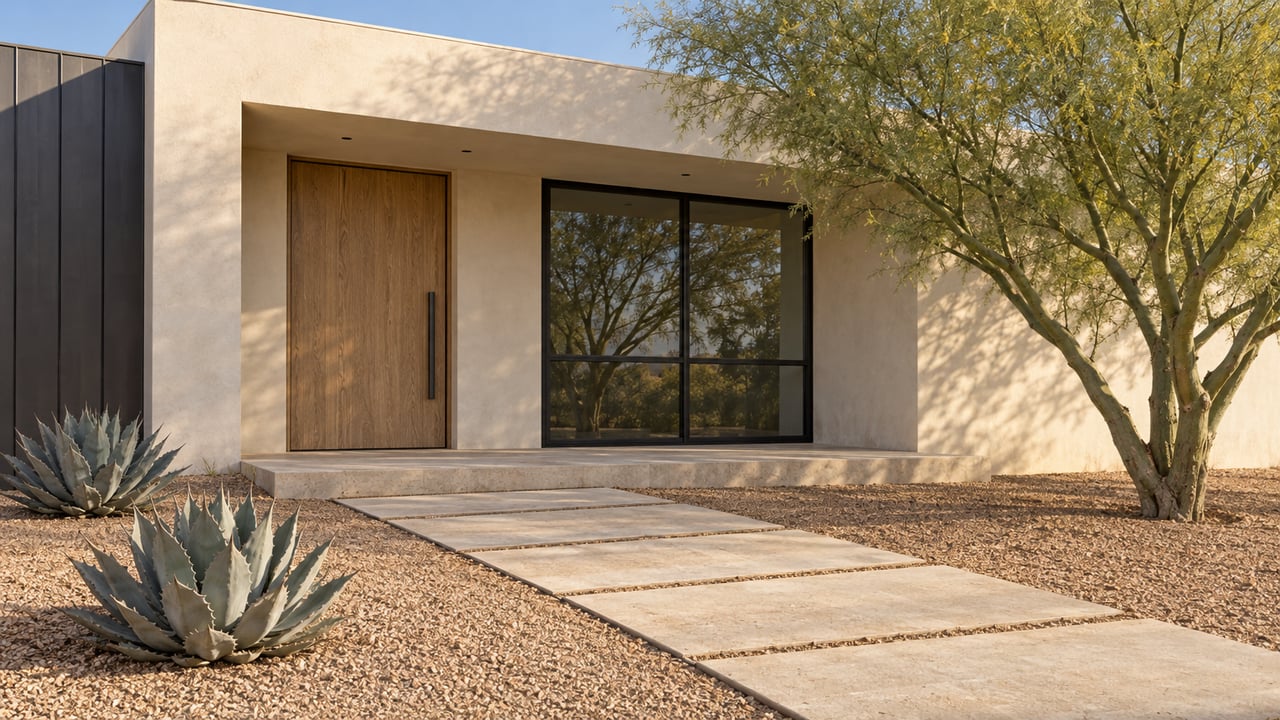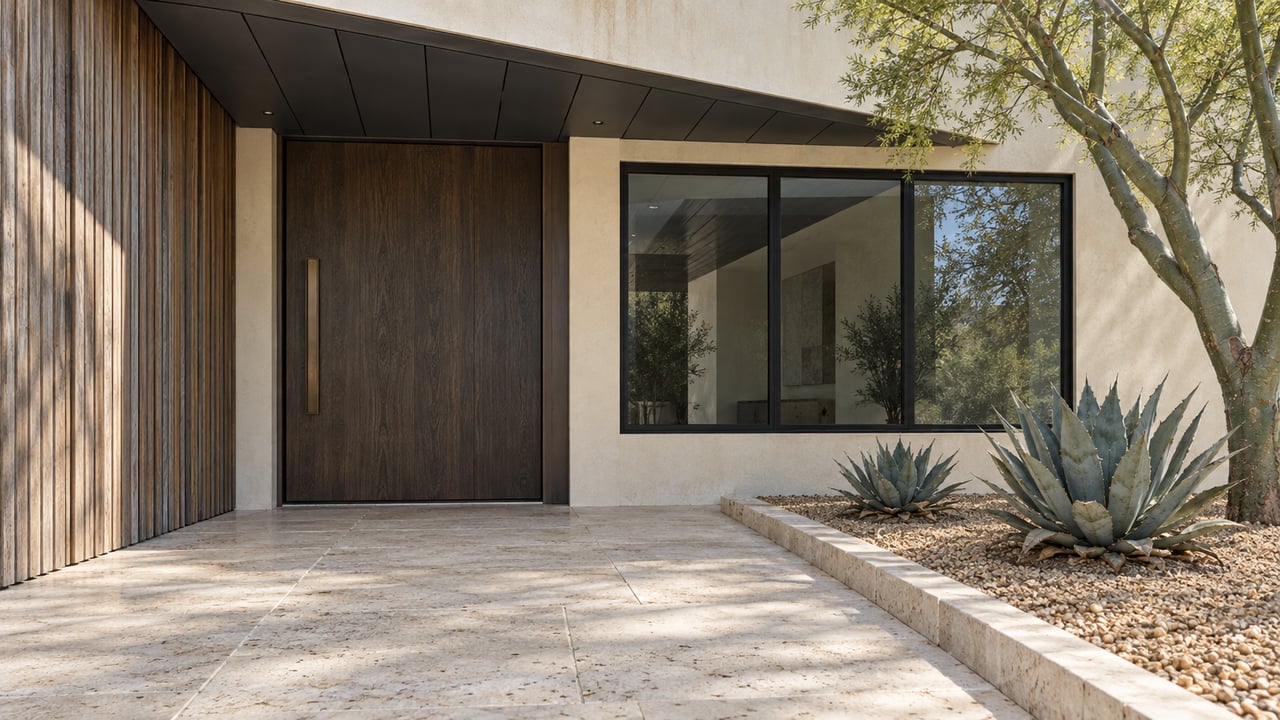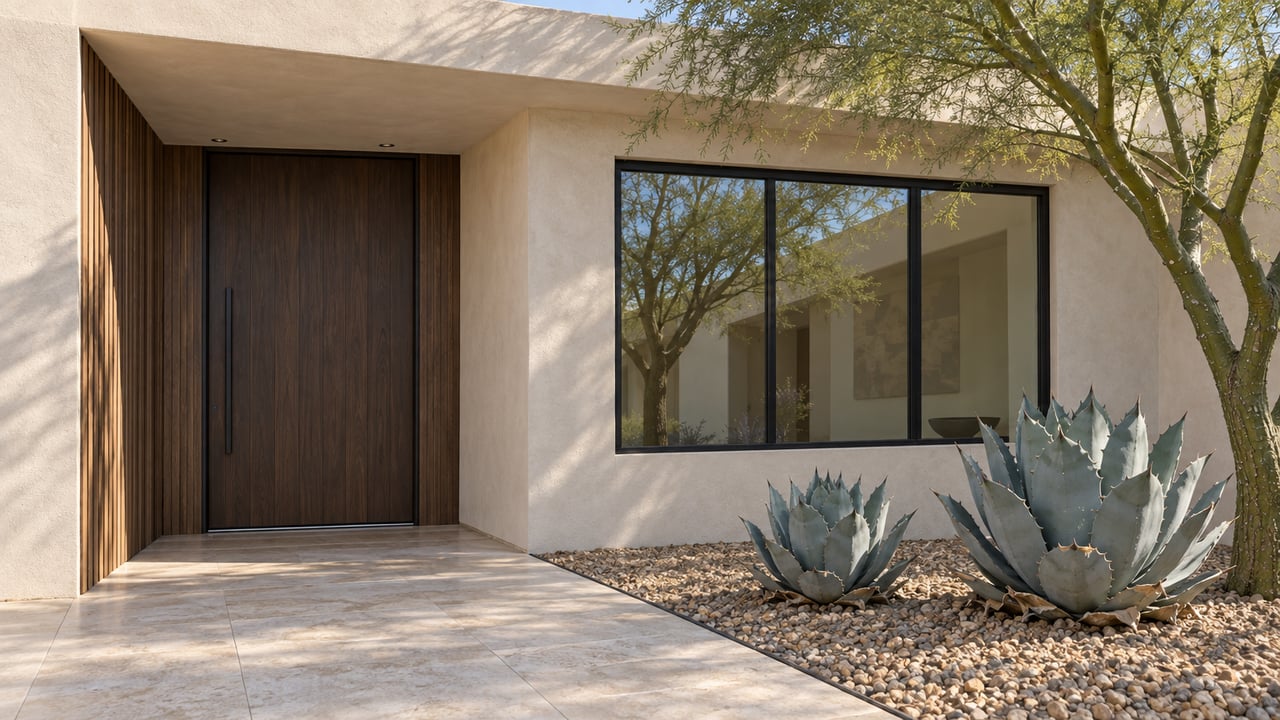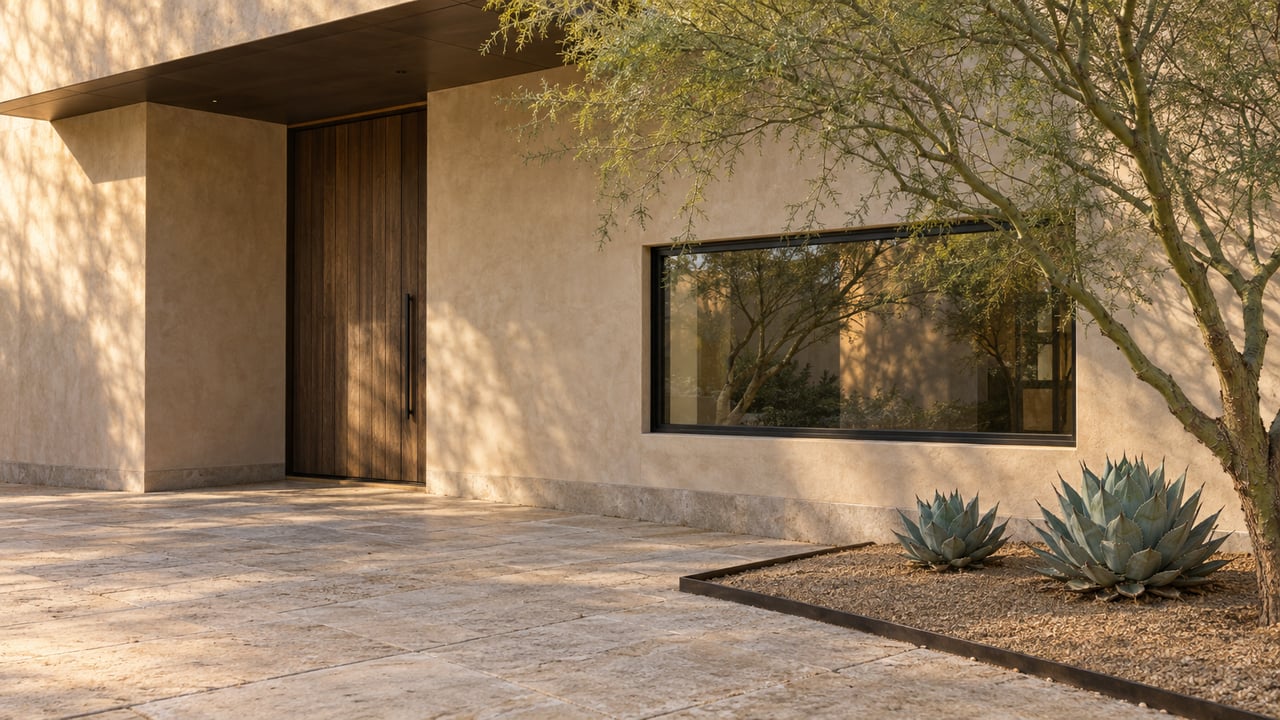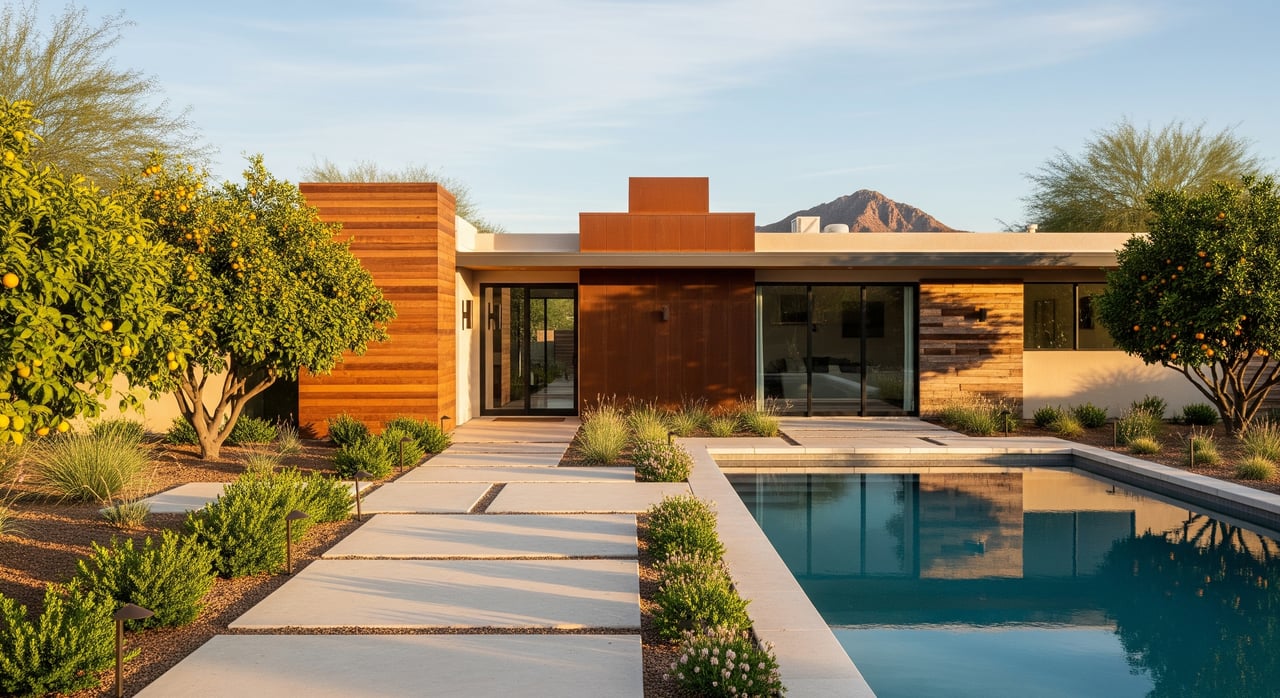
Eyeing a classic Arcadia ranch and wondering if you should pay up for a polished remodel or buy an original and make it your own? It is a big choice that affects your budget, timeline, and daily life. In this guide, you will learn how Arcadia’s housing stock, permits, inspections, timelines, and financing shape the smartest path for you. You will also get a simple checklist to compare options with confidence. Let’s dive in.
Arcadia ranch basics and buyer priorities
Arcadia is known for mid‑century ranch homes, larger lots, mature citrus and shade trees, and a lifestyle built around indoor‑outdoor living. Most homes date from the 1940s to 1970s with ranch and mid‑century influences. The bigger lots influence outdoor amenities like pools, patios, and future expansion potential.
Buyers here tend to fall into two groups. Some want a turnkey, high‑finish home with minimal disruption. Others prefer an original home with solid bones that they can personalize and improve over time. Location, lot size, and your move‑in timeline usually tip the balance.
When a remodeled ranch makes sense
If you value immediate lifestyle and limited project risk, a remodeled home can be the right fit. You get finished kitchens and baths, updated systems, and outdoor spaces that work on day one. That can save months of planning and decision fatigue.
Expect to pay a premium for quality upgrades and faster move‑in. Even so, you should still verify permit history, check for open permits, and confirm the quality of work. Focus on layout, natural light, and outdoor flow in addition to finishes so you are comparing true long‑term value.
When an original ranch is the smarter play
An original‑condition ranch can offer better acquisition pricing and room to build equity through a thoughtful renovation. You control the finishes and floor plan tweaks that matter most to you. Many buyers also want to preserve character details that define Arcadia homes.
The tradeoff is time and execution risk. Permits, inspections, and contractor schedules can add months. Budget for a realistic timeline and include a healthy contingency. For older ranches, planning a 20 percent cost buffer is a practical starting number.
What a remodel usually involves
A remodel can be light and cosmetic or full‑scale. Typical scopes for Arcadia ranches include:
- Kitchen: layout changes to open the plan, new cabinets, stone or engineered countertops, updated appliances, flooring, and lighting.
- Bathrooms: new fixtures, tile, showers or tubs, ventilation, and possible reconfiguration.
- Systems: HVAC replacement or upgrades, new electrical panel and wiring corrections, plumbing replacements, water heater, and insulation.
- Exterior and envelope: roof work, window and door upgrades, stucco repair, and drainage improvements.
- Hardscape and landscape: pool repairs or rebuilds, pool equipment, irrigation systems, patios, and outdoor kitchens.
- Structural and energy: selective foundation repairs, insulation upgrades, and reroofing as needed.
Many of these scopes trigger permits. Plan for code updates and inspections as part of your schedule.
Timelines you can actually plan for
Actual time varies by scope, permitting, and contractor availability, but these planning ranges are common in Phoenix:
- Cosmetic updates like paint, flooring, and fixtures: 1 to 4 weeks.
- Mid‑scope kitchen remodel: 6 to 12 weeks, depending on cabinet and appliance lead times.
- Full bath remodel: 3 to 6 weeks.
- Systems replacements such as HVAC or roof: 1 to 3 weeks on site, plus lead time for scheduling and permits.
- Partial to full‑house remodel: 3 to 6 months typical. Major gut or additions: 6 to 12 months or more.
- Pool repairs or renovations: 2 to 8 weeks for equipment and finish work. Full rebuilds take longer.
Permits and contractor schedules are frequent bottlenecks. Build in a 10 to 25 percent schedule contingency.
Hidden conditions to budget for
Older ranches can hide issues behind clean paint. Common surprises include:
- Outdated wiring or undersized electrical service. Many mid‑century homes benefit from a 200‑amp upgrade.
- Original single‑pane windows and minimal insulation, which raise cooling loads and long‑term energy costs.
- Galvanized or aging plumbing that restricts flow or fails under pressure.
- Pool shell, plumbing, or equipment that needs upgrades or code updates.
- Mature tree roots affecting sewer lines or foundation elements. Legacy irrigation often needs replacement.
- Unpermitted alterations from prior owners. Garage conversions, added rooms, or roof‑to‑deck changes can create compliance issues.
Plan inspections and quotes before you finalize your offer so you can price the risk.
Permits and due diligence in Phoenix
Most major renovations in Phoenix require permits. That includes structural work, additions, significant kitchen or bath reconfigurations, electrical panels, HVAC changes, plumbing, and most pool work. Verify permit history before you buy and confirm there are no open permits.
Order a complete set of inspections during your contingency period:
- General home inspection for structure, roof, HVAC, and major systems.
- Licensed electrician review of service capacity and wiring conditions.
- Plumbing inspection that identifies material types and checks the sewer lateral. In Arcadia, tree root intrusion is a known risk.
- Roof inspection focused on tile condition, underlayment, and flashing.
- Pool inspection for shell integrity, equipment, drains, and safety compliance.
- HVAC performance and load evaluation to match equipment to the home’s needs.
- Termite and pest inspection, which is important in Arizona.
- Hazardous materials screen as applicable for pre‑1978 homes.
- Structural engineer review if you see settlement signs or plan large layout changes.
Confirm property specifics while you inspect:
- Electric provider: much of Arcadia is served by Salt River Project. Check service capacity and panel location.
- Water and sewer: City of Phoenix. Review the sewer lateral and ask about billing history.
- Flood and drainage: Arcadia lots are not commonly in major flood plains, but spot drainage issues exist. Confirm grading and any local requirements.
- Trees and landscaping: evaluate root zones, canopy health, and irrigation needs.
For quality control, get at least three bids for larger scopes and compare detailed inclusions, not just price. Verify Arizona Registrar of Contractors licensing and insurance. Tie payments to milestones and inspections, and require lien releases. Ensure all major system work is permitted and inspected to protect resale and financing.
Financing paths for purchase and remodel
You have several ways to structure the money side:
- Standard mortgage plus cash. Buy the property with a conventional loan and fund renovations with cash, a HELOC, or a separate construction loan.
- Renovation loans. FHA 203(k), Fannie Mae HomeStyle, and VA Renovation loans can combine purchase and rehab costs in one mortgage, subject to program rules and limits.
- Construction‑to‑permanent loans. Useful for larger projects or additions where scopes are closer to new construction.
- Cash‑out refinance or HELOC. Common if you already own a home with equity.
Talk with your lender early about appraisal and repair requirements. Some loans require kitchens, baths, and major systems to be functional at closing, which can affect timing.
Value, ROI, and not overbuilding
Turnkey, high‑quality remodels in Arcadia often draw faster offers and price premiums because they deliver immediate lifestyle. If you plan to remodel, compare your acquisition price plus realistic renovation costs to the after‑repair value, using comparable finished homes. Include carrying costs, permits, and contingency.
Focus on improvements that buyers value in Arcadia. Functional kitchen and bath upgrades, better floor plan flow, curb appeal, and pool condition tend to have stronger impact than ultra‑custom finishes. Avoid overbuilding beyond neighborhood norms unless you plan to stay long term.
Document permit approvals and contractor invoices. Good records support appraisal, potential tax reassessment processes, and future resale disclosures.
Decision checklist for Arcadia buyers
Use this step‑by‑step framework to choose remodeled vs original with clarity:
- Define non‑negotiables. Set your move‑in timeline, must‑have features, and a total budget that includes a contingency.
- Run two sets of comps. Compare fully renovated sales and similar vintage homes sold as‑is using current MLS data for Arcadia sub‑areas.
- Inspect deeply. Order general and specialty inspections for electrical, plumbing, roof, pool, HVAC, termite, and structure if needed. Get contractor or engineer estimates for any flagged items.
- Confirm permits. Check the City of Phoenix permit history and verify there are no open or unpermitted projects.
- Get bids. Secure at least two detailed contractor bids and a realistic schedule. Plan a 20 percent cost contingency for older ranches.
- Align financing. Decide between a standard loan plus cash or a renovation program. Confirm appraisal and repair requirements with your lender.
- Negotiate smart. Use inspection findings and bids to negotiate price, seller credits, or repair escrows.
- Protect execution. Verify contractor licensing and insurance, tie payments to milestones, and require lien releases.
How we help you buy smart
You do not have to navigate this alone. With deep Arcadia micro‑market knowledge, we help you compare remodeled and original homes using precise comps, lot‑by‑lot context, and realistic timelines. We coordinate specialists for inspections, verify permit histories, and introduce vetted contractors so you can plan with confidence.
If you are relocating or short on time, our concierge approach streamlines tours, documents, and decisions. Ready to weigh your options with a calm, expert partner by your side? Connect with Clayton Wolfe to Request a Private Consultation.
FAQs
What should Arcadia buyers compare when choosing remodeled vs original?
- Weigh total cost, move‑in timeline, layout potential, systems condition, permit history, and outdoor features like pool and patio flow.
How long does an Arcadia kitchen remodel usually take?
- A mid‑scope kitchen typically runs 6 to 12 weeks, depending on design decisions, permit timing, and cabinet or appliance lead times.
Which inspections matter most for original‑condition Arcadia ranches?
- In addition to a general inspection, prioritize electrical, plumbing and sewer lateral, roof, pool, HVAC performance, termite, and structure if concerns arise.
How do Phoenix permits affect a remodel in Arcadia?
- Many kitchen, bath, system, structural, and pool scopes require permits and inspections, which add time and require code compliance.
What financing options include renovation costs for Arcadia homes?
- FHA 203(k), Fannie Mae HomeStyle, and VA Renovation loans can bundle purchase and rehab, while HELOCs or construction‑to‑perm loans fit larger scopes.
Are Arcadia lots in a flood zone, and why check drainage?
- Major flood zones are uncommon, but local grading can create spot drainage issues, so verify site drainage and any requirements.
Who provides electricity in Arcadia and why does service capacity matter?
- Much of Arcadia is served by Salt River Project, and older homes may need panel or service upgrades to support modern loads and equipment.