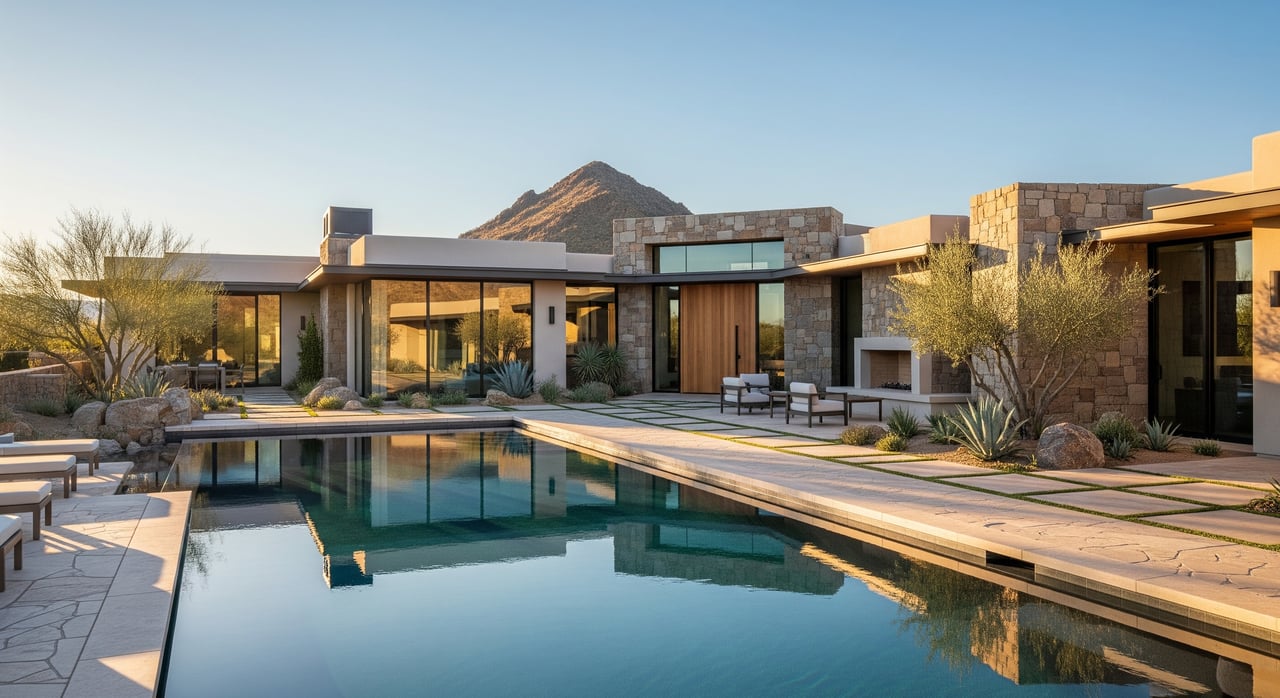
Selling a Paradise Valley estate should feel seamless, not stressful. You want control over your timeline, privacy, and the final price. A pre-listing inspection gives you exactly that. In this guide, you’ll learn how a seller-first inspection strategy can reduce renegotiations, protect confidentiality, and position your home to command stronger offers. Let’s dive in.
Why pre-listing inspections matter in Paradise Valley
A pre-listing inspection helps you identify material defects and safety items before your home ever hits the market. That means you choose what to fix, what to credit, and what to disclose on your schedule. You also head off buyer-led renegotiations that can cut into your price or delay closing.
Luxury properties in Paradise Valley often have larger footprints and more specialty systems. Pools, spas, solar arrays, guest houses, smart-home automation, and extensive irrigation can all generate inspection findings. A professional report can support pricing and marketing claims, such as “recently inspected” or “service records available.” It also helps you maintain confidentiality by resolving issues in advance rather than during public showings.
Authoritative resources like the American Society of Home Inspectors, InterNACHI, and the National Association of Realtors note that proactive inspections are common best practice, especially for higher-end listings.
What inspectors focus on: a prioritized checklist
Use this sequence to keep your plan efficient and results driven.
Safety and code-related items
- Electrical: service panel condition, grounding, AFCI and GFCI protection, and visible hazard wiring.
- Gas systems: lines, appliance connections, signs of leaks, and tankless water heater safety.
- Fire safety: functional smoke and carbon monoxide detectors, fireplace and chimney condition where applicable.
- Pool and spa safety: fencing and gates where required, equipment shutoffs, and anti-entrapment covers.
These items sit at the top of the list. They affect health and safety, insurance, and buyer confidence.
Major systems and mechanicals
- HVAC: age, service records, ducting, and cooling performance. Arizona heat puts heavy demand on equipment, so buyers watch this closely.
- Plumbing: active leaks, water pressure, water heater performance, and pipe materials. A sewer scope is smart if issues are suspected.
- Roof and attic: tile roof condition, flashings, soffits, drainage, and attic insulation and ventilation.
- Electrical service capacity: older estates may need upgrades for EV charging, generators, or expanded pool loads.
- Pool and spa systems: pumps, heaters, automation, filtration, leaks, and decking or coping.
Addressing major systems reduces buyer leverage and helps prevent last-minute delays.
Structural and exterior envelope
- Foundations and floors: signs of settlement, slab cracks, and site grading.
- Stucco and exterior finishes: hairline versus active cracking, waterproofing details, and re-stucco history.
- Windows and doors: seals, operability, and exterior trim.
- Site elements: driveways, retaining walls, gates, and drainage. Paradise Valley topography can create site-specific water flow concerns.
These findings often inform repair priorities and disclosure details.
Specialty systems common to PV estates
- Solar PV and batteries: permits, inverter condition, warranties, and rapid shutdown compliance.
- Generators and transfer switches: capacity and maintenance records.
- Smart-home systems: documentation, vendor support, and compatibility.
- Elevators, wine rooms, theaters, and custom mechanicals: specialty maintenance and service contacts.
- Irrigation and landscape features: controller programming, backflow preventers, leak checks, and desert-friendly settings.
- Guest houses and pool houses: verify permits and legal status.
Specialty systems can add offer appeal when well documented and serviced. They can also derail deals if neglected, so give them attention.
Cosmetic and staging items
- Paint touch-ups, minor flooring repairs, and hardware tweaks that improve first impressions.
- Odors and cosmetic water stains that can alarm buyers even if not structural.
Focus here after safety and system priorities. Small touches help your photography and showings.
Documentation to gather
- Building permits, remodel records, and certificate of occupancy if applicable.
- Service records for HVAC, pool, solar, generator, and roof.
- Warranties and manuals for systems and appliances.
- HOA or architectural review documents if any, septic records where relevant, and recent utility bills to indicate energy use.
Organized documentation reassures buyers and speeds up due diligence.
Local insights that impact inspections
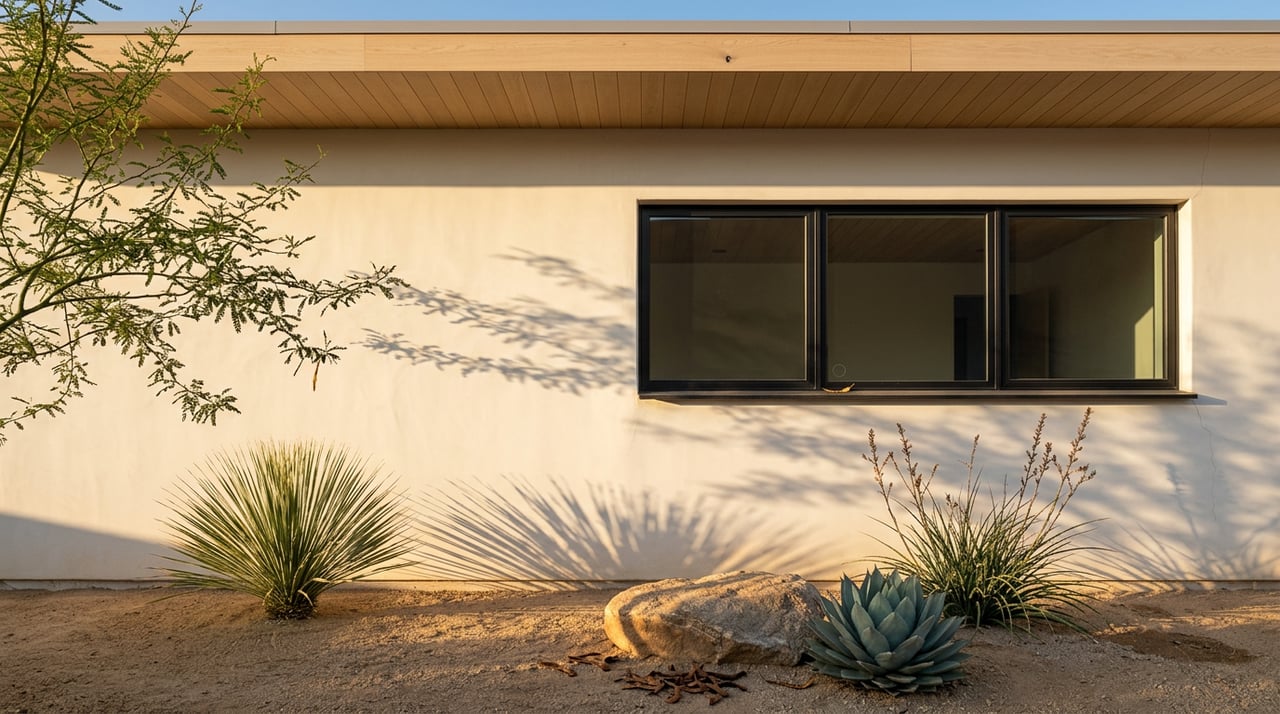
Paradise Valley’s desert climate and materials create unique wear patterns. High heat stresses HVAC, roofing, and exterior sealants. Tile roofs, stucco exteriors, and slab foundations are common, and each has specific inspection points such as flashings, weep screeds, and perimeter grading. Monsoon season can reveal roof and drainage deficiencies, along with telltale interior water intrusion.
Pools and spas are nearly ubiquitous in high-end Valley homes, and many properties have solar PV. Consider bringing in specialized inspectors for these systems. Large irrigation networks and landscape lighting can also hide leaks or misprogramming.
If you remodeled or added structures, confirm permit histories with the Town and County. The Town of Paradise Valley building and permit information is your primary local resource. You can also check Maricopa County permitting and records for county-level documentation. For disclosure obligations, consult your listing agent or legal counsel. A pre-listing inspection helps you identify what should be disclosed and how to address it.
Process, timing, and costs to expect
Here is a straightforward pre-listing workflow that respects your time and privacy.
- Scheduling: book an inspector 3 to 14 days in advance. Luxury estates with multiple structures may require several specialists.
- Inspection day: 4 to 8 hours for complex properties, sometimes longer with pools, solar, and auxiliary buildings.
- Report delivery: many inspectors provide drafts or photos within 24 to 72 hours. Full reports for complex homes may take up to a week.
- Repairs: minor items can take a few days, specialty trades often need 1 to 4 weeks, and larger structural or permitting items take longer.
- Recommended runway: start 2 to 8 weeks before your target list date so you avoid compressing marketing.
Costs vary by size and complexity. A luxury-scale inspection often ranges from about 500 to 1,500 dollars, with specialty add-ons such as pool, solar, roof, sewer scope, or structural engineering each adding roughly 200 to 1,000 dollars or more depending on scope. Use estimates to prioritize safety and major systems first, cosmetics last. For broad cost and scope context, you can review consumer guidance from ASHI and InterNACHI.
How the report shapes your pricing strategy
Your inspection results typically lead to one of three approaches. The right path depends on cost, timing, and your marketing strategy.
- Make repairs pre-listing. This reduces renegotiation risk and strengthens your price, but it requires upfront spending and time.
- Offer a credit or price adjustment. This can appeal to buyers who want to personalize improvements, but it may reduce perceived value.
- Disclose as-is with the report. Full transparency can still work if pricing accounts for needed items, but it may limit your buyer pool.
Even if buyers order their own inspections, a well-documented pre-listing inspection narrows the scope of concerns and reduces surprises.
Privacy-first coordination for luxury sellers
Discretion matters in Paradise Valley. You can manage vendor traffic and information flow with a few smart protocols.
- Vendor vetting: confirm licenses for trades, proof of insurance, and relevant certifications. For specialty systems, look for credentials such as solar-focused qualifications. Request references and sample reports.
- Confidentiality and access: use non-branded or unmarked vehicles, schedule during off-peak hours, and stagger visits to limit on-site traffic. Manage gate codes, use timed arrivals, and escort vendors as needed.
- Media control: restrict vendor photography and require no social media posts. For high-profile situations, use NDAs and a written privacy checklist.
- Coordination: have your agent or concierge attend inspections, receive reports, summarize priorities, obtain bids, and collect permits, receipts, and warranties.
A disciplined process keeps your footprint quiet and your timeline intact.
Getting started: a simple action plan
- Set your goals. Decide whether your priority is speed, maximum price, or minimum disruption, then choose the inspection scope accordingly.
- Gather documents. Pull permits, service records, manuals, and warranties to speed the review.
- Book the right inspectors. Confirm experience with luxury properties and specialty systems common in Paradise Valley.
- Prioritize fixes. Address safety and major systems first, then specialty items, then cosmetic touch-ups.
- Choose your pricing path. Repair, credit, or disclose as-is, based on strategy and budget.
- Prepare your marketing. Consider a simple summary such as “Inspection completed, major systems serviced” to support buyer confidence.
If you want a discreet, well-managed process that supports premium pricing and a smooth closing, request a private consultation with Clayton Wolfe. You will get a plan tailored to your home, your timeline, and your privacy needs.
FAQs
What is a pre-listing inspection for Paradise Valley homes?
- A pre-listing inspection is a seller-ordered evaluation of your home and systems before listing that identifies issues, informs pricing, and reduces renegotiations.
How far in advance should I schedule a pre-listing inspection?
- Aim for 2 to 8 weeks before you plan to go live so you can complete priority repairs and organize documentation without rushing.
Which systems get the most scrutiny in Arizona luxury homes?
- HVAC performance, tile roof and flashing, pool and spa equipment, irrigation leaks, stucco cracking, and solar documentation often top buyer and inspector lists.
Do I still need to disclose issues if I repair them?
- Yes, you should consult your agent or legal counsel about disclosures; the inspection helps you identify what must be disclosed and what documentation to provide.
Should I hire specialty inspectors for pools and solar?
- Yes, specialty evaluations for pools, spas, and solar are common in Paradise Valley and help validate condition, warranties, and permitting for buyers.
How do pre-listing inspections affect negotiations on luxury properties?
- A clean, well-documented report supports list price, reduces buyer leverage for credits, and shortens the path to a smooth closing, even if buyers do their own inspection.
Where can I verify permits for remodels or additions?
- Check the Town of Paradise Valley building and permit information and cross-reference with Maricopa County permitting and records when applicable.