By Clayton Wolfe
Scottsdale and Paradise Valley sit side by side, yet the daily experience can feel dramatically different depending on where a home lands relative to Scottsdale Road, Camelback Mountain, and the resort corridors near Lincoln Drive. I help clients compare these markets by using real routes and real lifestyle anchors, like Fashion Square access, Loop 101 connectivity, and the way resort adjacency influences property design.
This guide breaks down Scottsdale vs Paradise Valley homes with a practical, on-the-ground lens rather than a generic map-radius view.
Key Takeaways
- Lifestyle pattern: Walkable districts versus estate-style privacy
- Property mix: Condos, townhomes, and planned communities versus large lots
- Daily routing: Loop 101 access versus corridor-driven movement
- Long-term fit: Renovation flexibility, HOA layers, and resale positioning
Lifestyle and Daily Rhythm: Walkability Versus Quiet Privacy
Scottsdale is built around multiple activity nodes, including Old Town, the Waterfront, and the Scottsdale Quarter and Kierland area, which makes social plans and errands feel clustered.
What Daily Life Often Looks Like in Each Market
- Old Town Scottsdale core: Walkable dining and galleries near Main Street and the Waterfront corridor.
- North Scottsdale nodes: Retail and restaurant hubs around Scottsdale Quarter and Kierland.
- Paradise Valley quiet lanes: Low-traffic streets where privacy and larger setbacks influence the feel.
Paradise Valley is built around quiet residential streets and destination-style amenities, where a quiet setting and controlled access shape the pace.
Property Types and Architecture: What Shows Up Most Often
Scottsdale offers a wider spread of property types, from condo towers and lock-and-leave townhomes to golf-adjacent single-family neighborhoods in North Scottsdale.
The Property Mix You’ll Typically Compare
- Scottsdale condos and townhomes: Lock-and-leave living near Old Town and newer retail corridors.
- Scottsdale single-family variety: Planned communities and custom pockets from McCormick Ranch to DC Ranch.
- Paradise Valley estates: Larger parcels and custom builds with privacy-driven site planning.
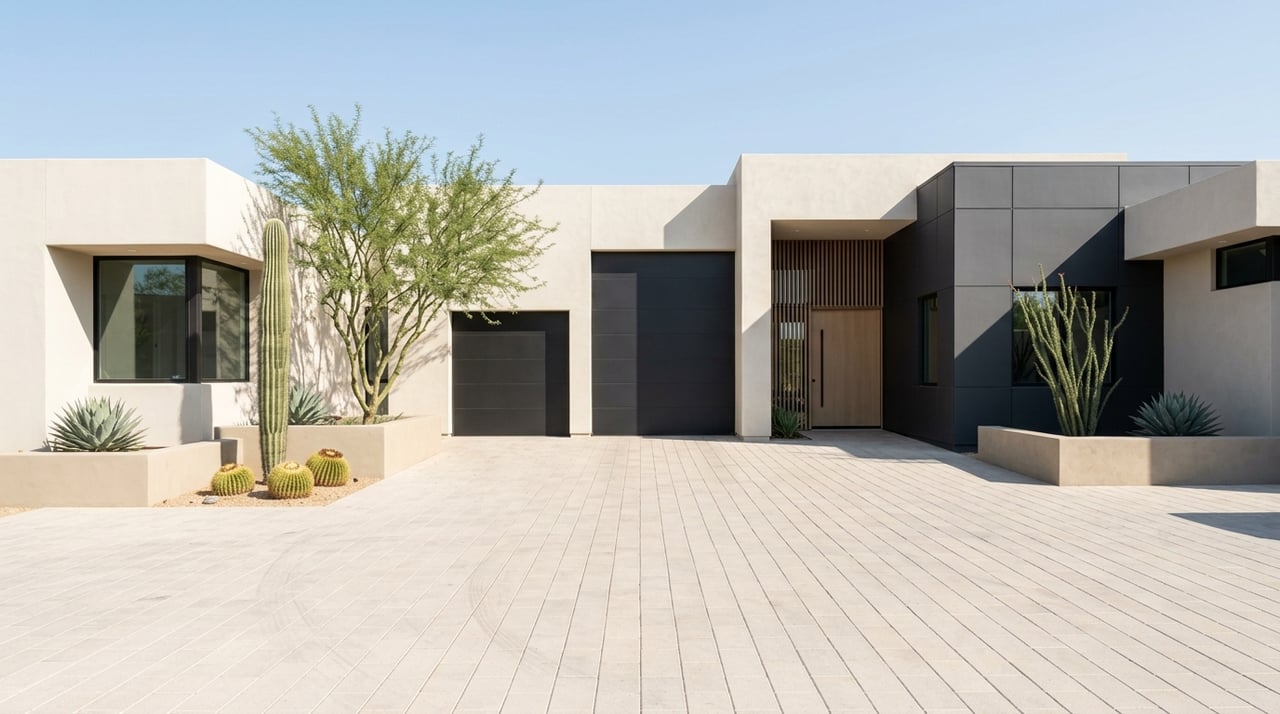
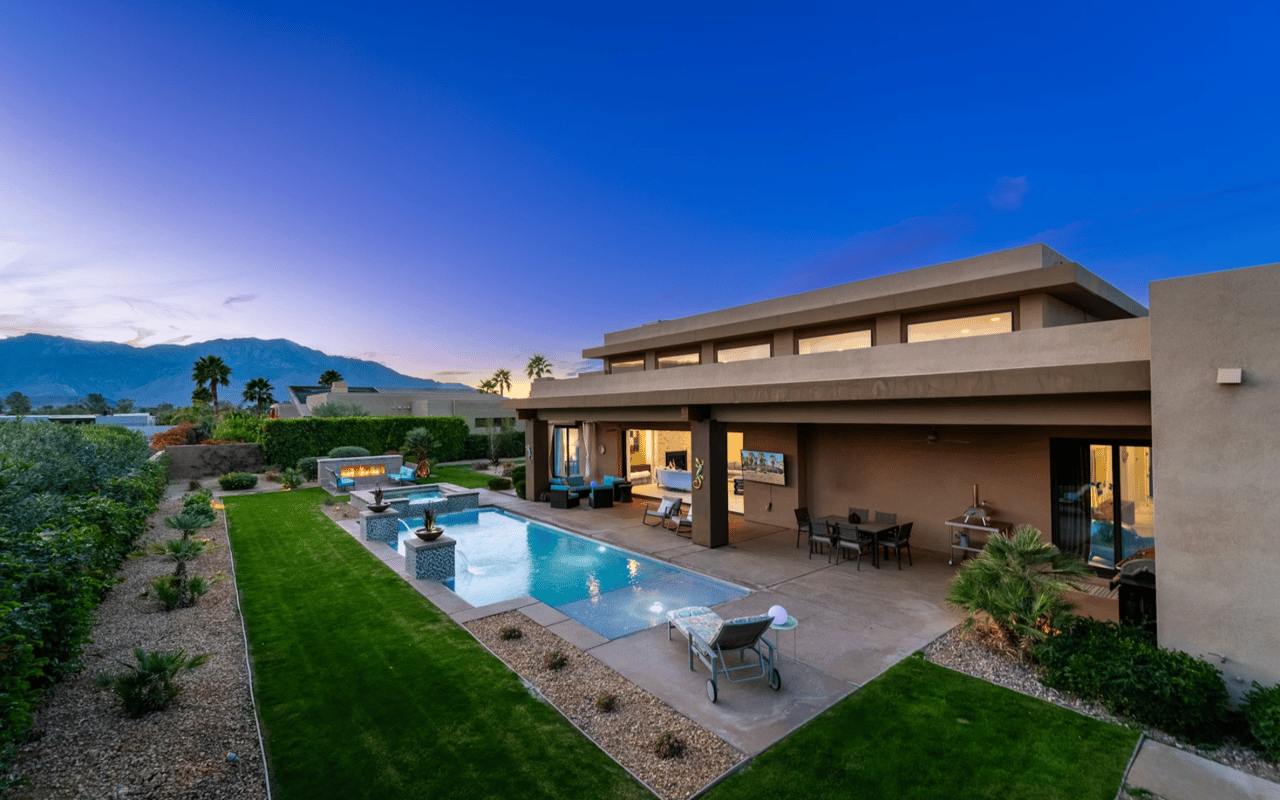
Paradise Valley leans heavily toward estate homes on larger lots, with custom architecture and more dramatic site placement near mountain bases.
Lot Size, Views, and Outdoor Living Expectations
Outdoor living is central in both markets, yet the way it shows up differs based on lot size and view corridors.
Outdoor Features That Tend to Separate the Two
- Paradise Valley mountain presence: Camelback and Mummy Mountain views paired with larger setbacks and privacy.
- Scottsdale preserve adjacency: Desert view corridors near the McDowell Sonoran Preserve and foothill edges.
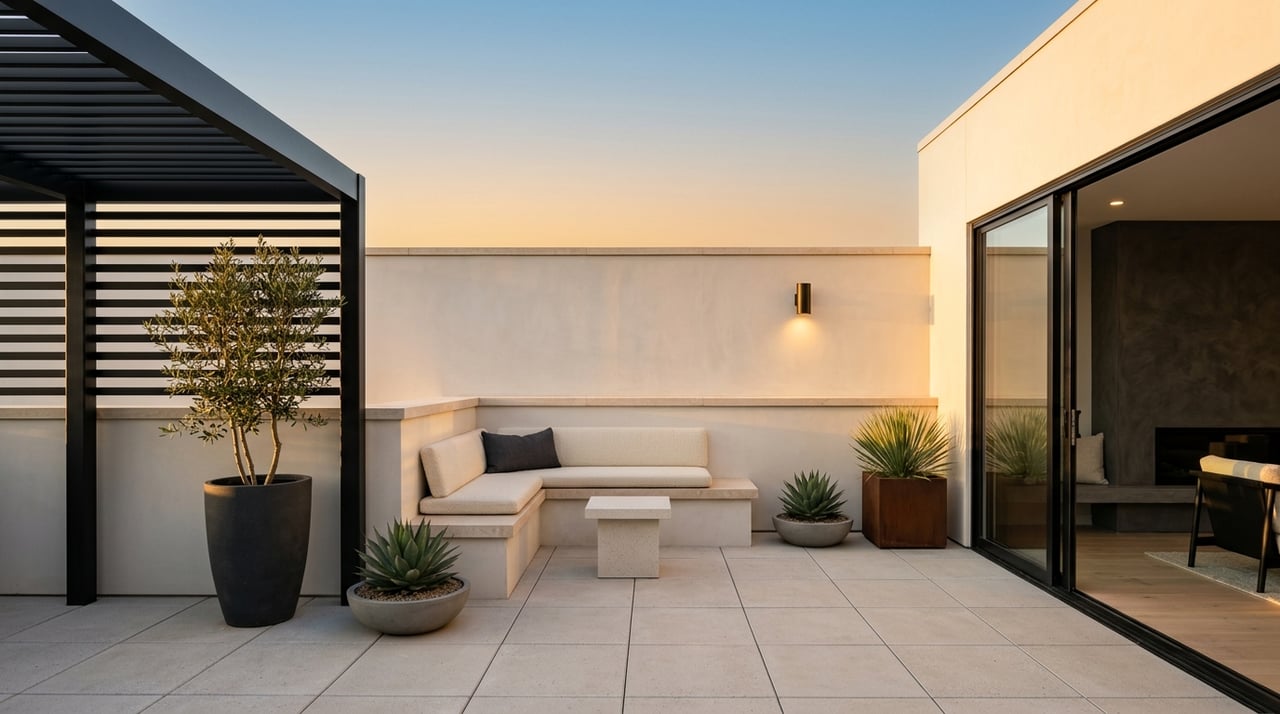
- Outdoor entertaining layouts: Pools, patios, and bar spaces shaped by lot size and community rules.
Paradise Valley properties often emphasize mountain backdrops and larger yard programs, while Scottsdale offers everything from compact patios to sprawling desert-view parcels.
Access and Commute Patterns: Corridors Versus Freeways
Scottsdale benefits from clear access to Loop 101, which supports fast movement north-south and quick connections toward major employment and airport routes.
Routing Patterns That Matter in Real Life
- Loop 101 convenience: Fast connections for North Scottsdale, East Valley routes, and regional travel.
- Scottsdale Road spine: Direct corridor access linking Old Town, Fashion Square, and Paradise Valley borders.
- Paradise Valley corridor planning: Tatum and Camelback routes that frame daily errands and dining trips.
Paradise Valley relies more on key corridors like Scottsdale Road, Lincoln Drive, Tatum Boulevard, and Camelback Road, which keep the interior calmer but shape routing choices.
Fees, Governance, and Rules: HOA Layers and Lifestyle Control
Scottsdale includes many master-planned communities with active HOAs, which can influence exterior changes, landscaping, and rental rules.
Governance Questions I Recommend Asking Early
- HOA scope: Rules and architectural guidelines that affect exteriors, short-term use, and visible changes.
- Community amenities: Shared services and facilities that may add monthly costs in exchange for convenience.
- Property autonomy: Owner control over improvements depending on whether the home sits in a managed community.
Paradise Valley properties can also sit within gated enclaves with their own standards, yet many homes operate with fewer neighborhood-level restrictions and more owner control.
Pricing Logic and Value Signals in Luxury Segments
A real estate market comparison Arizona clients find useful focuses on value drivers, not just price tags.
Value Drivers That Tend to Hold Up Over Time
- Micro-location strength: Proximity to key nodes like Old Town, Kierland, or resort corridors.
- Land and view durability: Lot usability and mountain presence that remain hard to replicate.
- Condition and systems: Updated mechanicals and quality finishes that reduce near-term projects.
In Scottsdale, value can be tied to walkability, community amenities, and newer construction, while Paradise Valley value often tracks lot size, privacy, and view quality.
FAQs
Is Paradise Valley part of Scottsdale for real estate purposes?
Paradise Valley is its own town, and it has a distinct housing profile and lifestyle feel compared to Scottsdale. The proximity is close, yet the daily rhythm and property mix tend to differ significantly.
What is the biggest lifestyle difference between Scottsdale and Paradise Valley?
Scottsdale offers more walkable districts and a wider range of housing formats, including condos and townhomes. Paradise Valley emphasizes privacy, larger lots, and estate-style living with quieter internal streets.
How should someone start comparing Scottsdale vs Paradise Valley homes?
I recommend starting with two or three non-negotiables like lot size, walkability, and commute pattern, then building a shortlist of micro-locations that match those priorities. A corridor-first plan makes tours more efficient and helps avoid decision fatigue.
Contact Clayton Wolfe Today
If you want a clear strategy for a real estate market comparison Arizona clients can actually use in the field, contact me, Clayton Wolfe, and I will map your shortlist around real routes and real lifestyle anchors.