By Clayton Wolfe
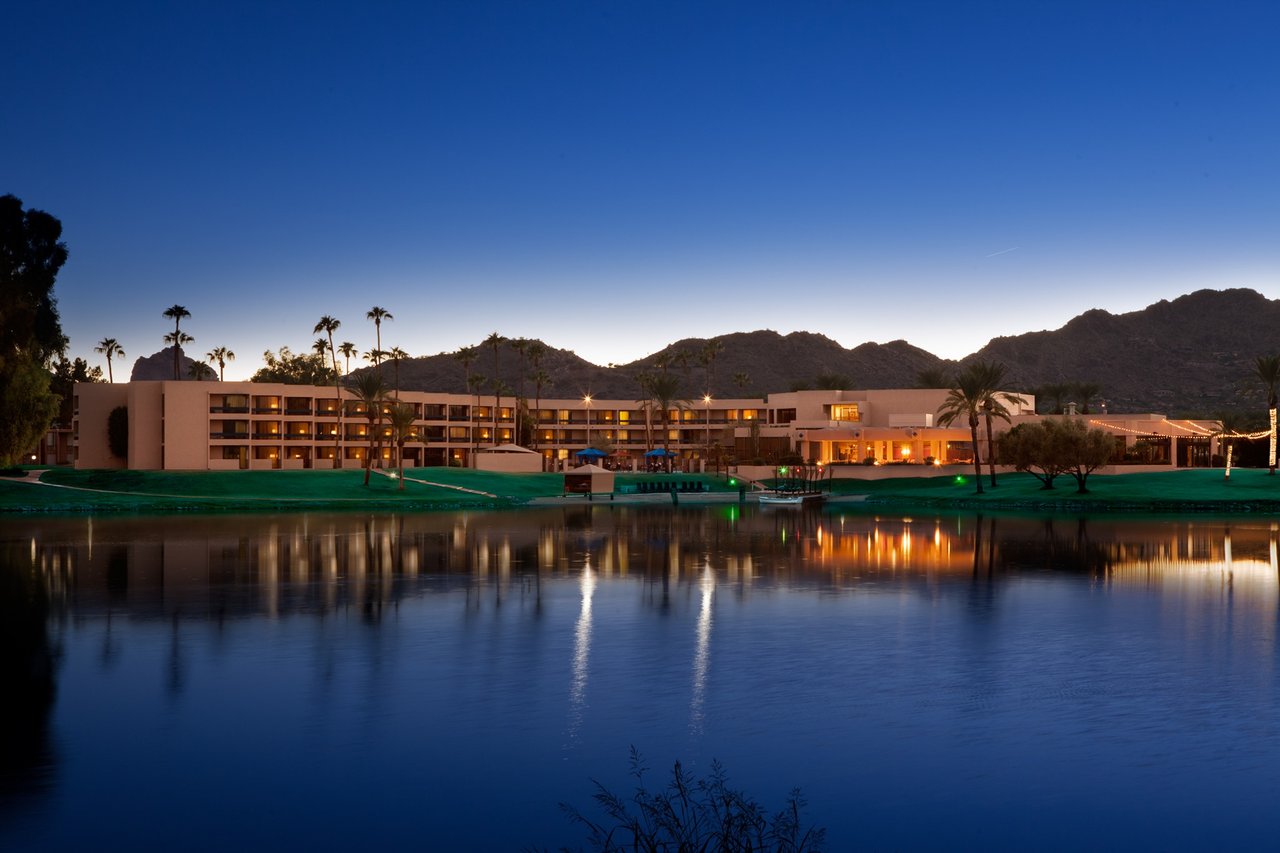
Paradise Valley sits between Scottsdale and Phoenix, with the town’s quiet residential streets framed by Camelback Mountain to the south and Mummy Mountain to the north. Daily movement often runs through the corridors that border the town, including Scottsdale Road, Tatum Boulevard, Lincoln Drive, and Camelback Road, which connect quickly to Biltmore-area dining, Old Town Scottsdale, and the resorts along the mountain base.
This guide explains getting around Paradise Valley with a clear, practical context for commuting, airport access, and local mobility.
Key Takeaways
- Core corridors: Scottsdale Road, Tatum Boulevard, Lincoln Drive, and Camelback Road
- Freeway access: Loop 101 and SR-51 connections via Scottsdale and Phoenix edges
- Airport logistics: Sky Harbor routes and private aviation alternatives
- Daily convenience: Resort nodes, shopping hubs, and medical corridors nearby
The Main Corridors That Shape Daily Movement
Paradise Valley travel revolves around a handful of arterial roads on or near the town’s borders, since the interior streets are intentionally calm and residential.
Corridors to Know Before Choosing a Home Base
- Scottsdale Road: North-south access that connects quickly to Old Town, Fashion Square, and North Scottsdale.
- Tatum Boulevard: East-side connector that supports fast routes toward PV Mall area corridors and north Phoenix.
- Lincoln Drive: Resort and residential linkage that helps connect central Paradise Valley to Scottsdale and Phoenix edges.
The most useful planning step is choosing which corridor will serve as the primary “spine” for errands, dining, and commute routes.
Freeway Connectivity Without Losing the Paradise Valley Feel
Paradise Valley does not have a freeway running through the town, which supports its quieter environment and larger-lot character.
Practical Freeway Connections People Use Most
- Loop 101 access: Scottsdale edge routing for tech corridors, North Scottsdale, and quick east-west movement.
- SR-51 access: Phoenix side routing for Biltmore access and efficient connections deeper into Phoenix.
- I-10 reach: Airport and regional travel support when the day includes longer-distance driving.
Daily freeway access typically comes from short connector drives that reach Loop 101 in Scottsdale or SR-51 in Phoenix, depending on the destination.
Airport and Private Aviation Options for Frequent Travelers
Airport planning is a major part of Paradise Valley logistics, especially for second-home owners and frequent business travelers.
Airport Routes and Travel Planning Considerations
- Phoenix Sky Harbor: Primary commercial access with straightforward routes from the Paradise Valley borders.
- Scottsdale Airport: Private aviation option often used for business travel and flexible scheduling.
- Car service planning: Pre-scheduled rides that reduce parking and timing stress during peak travel windows.
Sky Harbor is the primary commercial hub, while private aviation alternatives can be useful depending on travel style and scheduling needs.
Local Transportation Options That Fit Paradise Valley’s Layout
Paradise Valley is not built around dense public transit, so transportation options Arizona residents use here are typically vehicle-based.
Mobility Options That Work Well in Practice
- Ride-share use: Quick point-to-point trips for dining nights around Old Town Scottsdale and the Biltmore corridor.
- Car services: Scheduled pickups for airport travel, events, and multi-stop itineraries.
- Household vehicle planning: Two-vehicle routines that support different work schedules and daily errands.
The most common solutions involve personal vehicles, ride-share, and car services that support resort dinners, airport runs, and event nights.
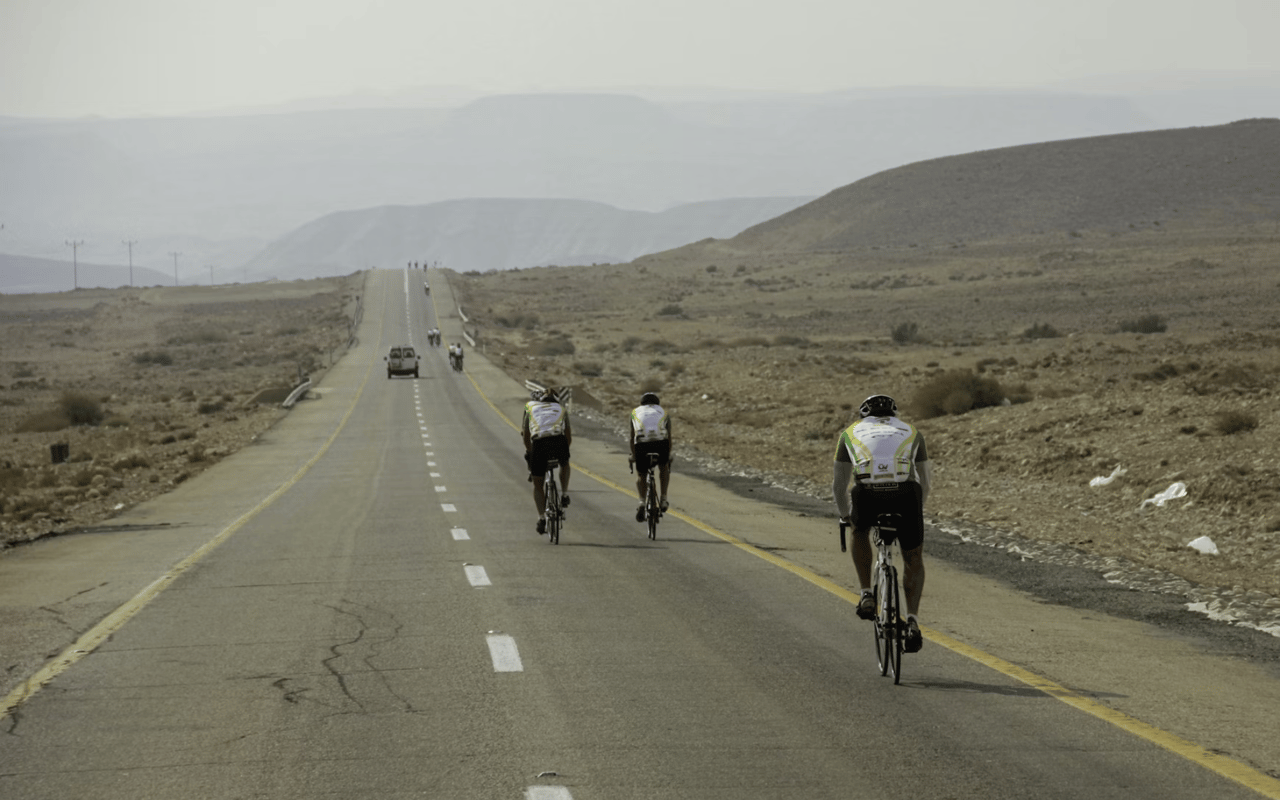
Walkability and Biking: Where It Fits and Where It Doesn’t
Paradise Valley’s interior streets can be pleasant for neighborhood walks, especially near mountain views and quieter lanes.
Where Walking and Biking Make the Most Sense
- Neighborhood walking loops: Quiet street circuits that support daily movement and sunset strolls.
- Resort-adjacent paths: Short pedestrian connections around major resort properties for dining and spa plans.
- Scottsdale border access: Biking toward Scottsdale areas when routes align with safer corridor segments.
Most errands and dining still require driving, so walking and biking are best viewed as lifestyle activities rather than full transportation replacements.
FAQs
What is the most practical way of getting around Paradise Valley day to day?
A personal vehicle is the default because the town is designed around quiet residential streets rather than dense transit corridors. Ride-share and scheduled car services work well for dining and airport days.
Which corridors matter most for commuting from Paradise Valley?
Scottsdale Road, Lincoln Drive, and Tatum Boulevard tend to be the main connectors, depending on whether destinations sit in Scottsdale, the Biltmore area, or north Phoenix. Freeway access usually comes through Loop 101 or SR-51 routes on the town’s edges.
How should frequent flyers plan transportation options to Paradise Valley?
Sky Harbor is the primary commercial hub, and pre-scheduled car services can reduce stress on early travel mornings. Scottsdale Airport can be a useful private aviation alternative depending on travel habits and preferences.
Contact Clayton Wolfe Today
Paradise Valley is unique because it offers large-lot living and mountain views within minutes of Scottsdale and Phoenix hubs. I focus on how each address connects to Scottsdale Road, Tatum Boulevard, Lincoln Drive, and the airport routes that shape day-to-day ease.
Reach out to me, Clayton Wolfe, and I will help you choose a home that delivers the quiet residential feel Paradise Valley is known for while staying connected to the routes that make your routine work.