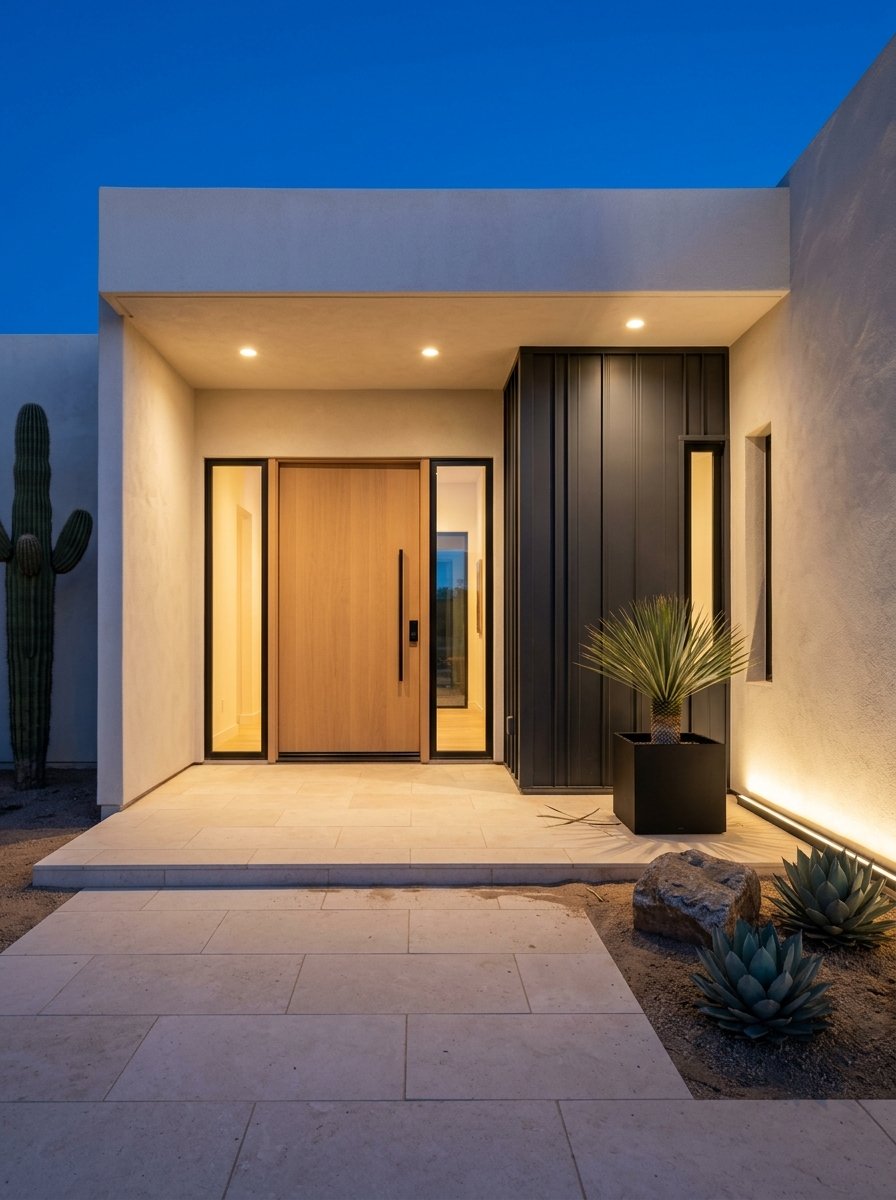
Wondering whether a Scottsdale luxury home can pull double duty as a refined second home and a short-term rental? In this market, the answer often depends less on demand and more on compliance. If you are considering a purchase, sale, or investment strategy tied to short-term rental use, understanding the rules upfront can save you time, money, and unnecessary risk. Let’s dive in.
Scottsdale STR Rules at a Glance
In Scottsdale, vacation and short-term rentals are generally allowed by right in residential districts when the stay is for fewer than 30 days. That matters because Arizona law limits a city’s ability to ban short-term rentals outright. Instead, Scottsdale operates within a framework focused on licensing, public safety, nuisance response, contact information, insurance, and tax collection, as outlined on the city’s vacation and short-term rental page.
For luxury buyers and second-home owners, that creates a very specific environment. Scottsdale is not a no-rental market, but it is also not a casual one. The opportunity is real, yet the property needs to be evaluated through an operating lens from day one.
Why the Rules Matter for Luxury Investments
For higher-end homes, the short-term rental conversation is rarely just about nightly revenue. It is about whether a property can support your intended use without friction, surprise costs, or preventable compliance problems. In luxury price bands, even small operational issues can become expensive quickly.
Scottsdale’s rules also shape how you underwrite income potential. The city and state permit short-term rentals, but they also limit how these homes can be used. You need to think in terms of compliant leisure, seasonal, or family travel demand rather than event-style revenue assumptions.
Taxes and Licensing Affect the Numbers
If a property will be rented for stays of less than 30 days, licensing and tax setup are part of the business model. Scottsdale requires an annual city license for each property, and the fee is $250 per property. The city says the license must be in place before the property is offered for rent, according to the short-term rental licensing process guide.
At the state level, short-term lodging is also subject to Arizona transaction privilege tax, and the Arizona Department of Revenue says owners may need a seasonal TPT license for short-term lodging. If bookings come through an online marketplace, the platform may collect and remit tax for those bookings, but direct bookings remain the owner’s responsibility, as explained by the Arizona Department of Revenue.
Scottsdale also imposes a 5.0% transient lodging tax on lodging of 29 days or less, according to the city’s tax information page. For investors, this reinforces an important point: Scottsdale treats short-term rentals as a regulated and taxed lodging use, not a hands-off side activity.
Compliance Is an Ongoing Obligation
A Scottsdale short-term rental is not a set-it-and-forget-it asset. The city requires more than basic licensing. Each property must be registered with Maricopa County before occupancy, and rental information must stay current with the assessor if anything changes.
Scottsdale also requires emergency contact information and a 24-hour point of contact for complaints or emergencies. If you live out of state, Arizona statute requires you to designate an in-state statutory agent. For many seasonal owners, that operating burden is one reason professional management becomes the practical path.
Neighbor Notice and Safety Requirements
The compliance stack extends beyond forms and fees. Scottsdale requires owners to notify adjacent neighbors and those diagonally across the street within 30 days of receiving the city license, or again if the contact information changes.
The city also requires proof of at least $500,000 in liability coverage and a posted short-term rental notice with safety and waste-disposal information. If the property has a pool, hot tub, or spa, barrier rules may apply, which can add both renovation and maintenance costs before the home is truly rental-ready.
Occupancy Rules Shape Revenue Assumptions
One of the biggest underwriting mistakes in the luxury segment is assuming a large home can automatically function like a group-event property. Scottsdale does not allow that approach. The city caps occupancy at 6 adults plus related dependent children and prohibits nonresidential uses.
That means a luxury home cannot be marketed or evaluated as retail space, a restaurant, banquet space, event center, or party venue. Arizona law and Scottsdale guidance make this point clear, and it directly affects how you project income. If your strategy depends on weddings, retreats, or large paid gatherings, that is not the compliant use case here.
Nuisance Enforcement Is Part of the Risk Profile
Scottsdale’s nuisance-party ordinance applies broadly to private residences, including owner-occupied homes, long-term rentals, and short-term rentals. Excessive noise and unruly gatherings can trigger enforcement, according to the city’s short-term rental guidance.
For luxury owners, this matters for two reasons. First, it protects the surrounding residential environment. Second, it means your operations plan should favor controlled guest profiles, strong house rules, and responsive local oversight.
HOA Restrictions Can Override the Opportunity
One of the most important due diligence steps happens outside city hall. While Scottsdale allows short-term rentals by right in residential districts, the city also notes that HOAs and private deed restrictions may still regulate or prohibit them.
That can be a deal-maker or a deal-breaker. A home may appear attractive on paper for seasonal income, but if the governing documents restrict short-term use, your strategy changes immediately. Before closing, you need a clear answer on whether the community allows the use you have in mind.
Guest House vs. ADU Is a Crucial Distinction
In luxury properties, secondary structures often create confusion. Scottsdale treats guest houses and accessory dwelling units, or ADUs, differently, and that distinction can materially affect rental plans.
According to Scottsdale’s guest house guidance, a guest house may not be rented separately from the main residence. The city also says any guest house built after 1/1/2025 must be restricted to guest-house use through a recorded deed restriction.
ADUs are different, but they come with conditions. Scottsdale says ADUs may be rented separately, yet the owner must reside on the premises if any ADU is rented, leased, or used as a vacation or short-term rental. In a luxury acquisition, this is not a technical footnote. It can completely reshape how the property fits your personal-use and income goals.
What Smart Buyers Should Check Before Closing
In Scottsdale’s luxury market, short-term rental diligence should happen early, not after you own the property. The right checklist helps you separate a compliant opportunity from an expensive assumption.
Here are the key items to verify before closing:
- Whether an HOA or deed restriction limits or prohibits short-term rentals
- Whether any secondary structure is a guest house or an ADU
- Whether the property is registered with Maricopa County if currently operating as a rental
- Whether the city licensing status is current
- Whether required liability insurance is in place or easily obtainable
- Whether pool, spa, or hot tub barriers meet Scottsdale requirements
- Whether your intended use aligns with occupancy caps and non-event rules
- Whether you will self-manage or need a local operator and 24-hour contact setup
For buyers coming from out of state, this process is especially important. A Scottsdale property can absolutely support a thoughtful second-home or investment strategy, but only when the legal use and operational realities are fully understood.
What This Means for Sellers of Luxury Homes
If you are selling a Scottsdale luxury property that may appeal to second-home buyers or investors, the short-term rental conversation can influence buyer interest. But the value is in clarity, not hype.
A well-prepared seller can help buyers understand whether the property has a realistic path as a compliant short-term rental, hybrid second home, or personal retreat. Clean documentation around HOA rules, any county registration, city licensing history, pool-safety features, and the status of guest houses or ADUs can make the home easier to evaluate and easier to trust.
A Concierge Approach Makes a Difference
Luxury real estate decisions often involve more than square footage and finishes. In Scottsdale, the short-term rental angle adds another layer of strategy, especially for second-home buyers, relocating executives, and owners who value optionality.
That is where local, property-level guidance matters. A concierge approach helps you look beyond surface appeal and assess whether a home truly aligns with your goals, whether that means personal enjoyment, seasonal flexibility, or a compliant investment plan.
If you are weighing a Scottsdale luxury purchase or preparing to position a distinctive property for the right buyer, Clayton Wolfe offers a private, high-touch approach grounded in local expertise and tailored guidance.
FAQs
What are the main Scottsdale short-term rental rules for luxury homes?
- Scottsdale allows short-term rentals of fewer than 30 days in residential districts, but owners must follow city licensing, county registration, tax, insurance, safety, occupancy, and nuisance rules.
What taxes apply to Scottsdale short-term rentals?
- Scottsdale imposes a 5.0% transient lodging tax on stays of 29 days or less, and Arizona short-term lodging may also require transaction privilege tax reporting and licensing.
Can an HOA ban short-term rentals in Scottsdale?
- Yes. Even though Scottsdale allows short-term rentals by right, HOAs and private deed restrictions may still regulate or prohibit that use.
Can you rent out a guest house separately in Scottsdale?
- No. Scottsdale says a guest house may not be rented separately from the main residence.
Can an ADU be used as a short-term rental in Scottsdale?
- Yes, but Scottsdale says the owner must reside on the premises if an ADU is rented, leased, or used as a vacation or short-term rental.
How many guests can stay in a Scottsdale short-term rental?
- Scottsdale caps occupancy at 6 adults plus related dependent children.
Do Scottsdale short-term rentals need insurance?
- Yes. Scottsdale requires proof of liability coverage of at least $500,000 for licensed short-term rentals.
Why is local guidance important for Scottsdale luxury STR purchases?
- Local guidance helps you verify HOA limits, licensing status, county registration, secondary-structure rules, and pool-safety compliance before you close on a high-value property.