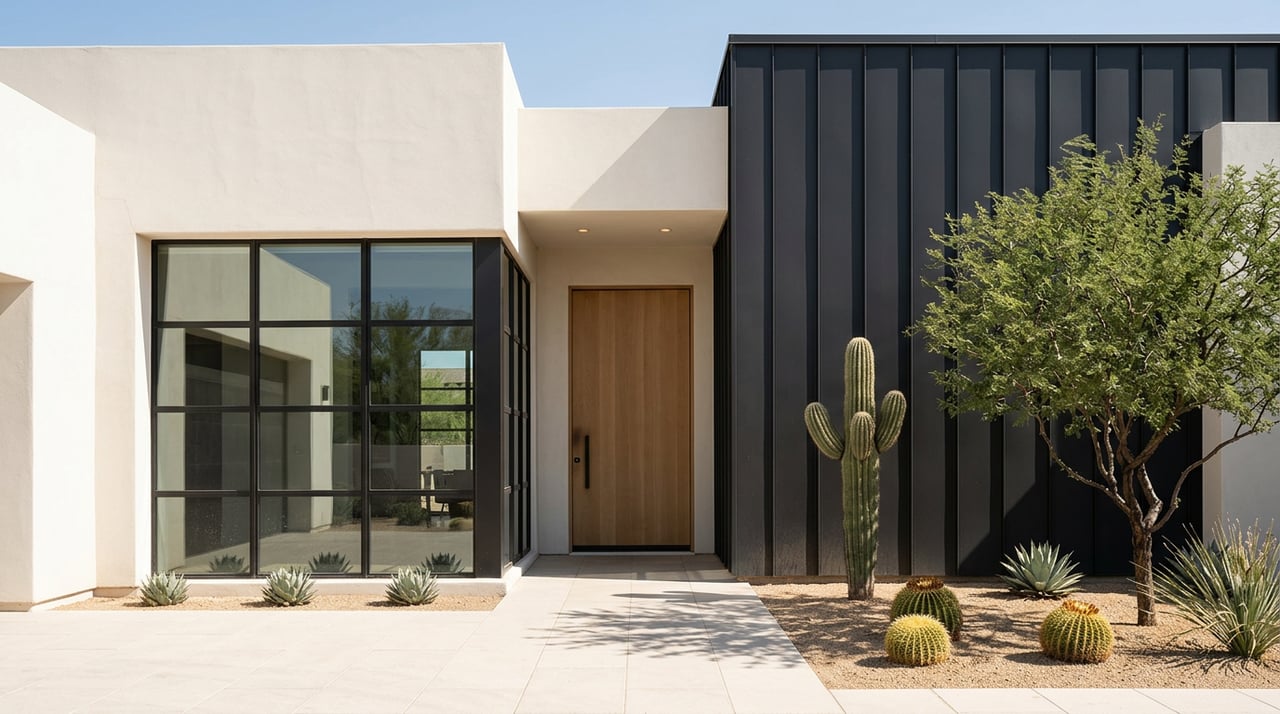
Is the style of your Paradise Valley home helping or hurting your resale? In a market where buyers prize views, privacy, and quality, architecture can shape interest, days on market, and final price. If you are planning a sale, you want clarity on what today’s luxury buyers respond to and how to position your home for the strongest outcome.
This guide explains how Paradise Valley’s leading styles influence marketability, what research says about design and value, and where to focus upgrades for the best return. You will also see how zoning and site factors unique to the town affect what sells. Let’s dive in.
Paradise Valley market realities
Paradise Valley sits among Arizona’s highest-value markets. The buyer pool trends affluent with a high median household income, which supports steady demand for well-located, high-quality estates. You also see a meaningful share of older buyers and cash purchasers in luxury segments nationally, which often translates to a preference for turnkey, low-maintenance homes with strong design and livability features. You can review national age and cash trends in the National Association of Realtors’ generational report for context.
- See median income context for the town in the Census QuickFacts overview of Paradise Valley: Census QuickFacts for Paradise Valley.
- For high-end buyer behavior across age groups, view NAR’s 2024 Home Buyers and Sellers Generational Trends.
Why site outranks style
Local planning emphasizes large lots, low density, and thoughtful hillside integration. Orientation, view corridors, and permitted building envelopes shape what is possible and how a home lives. In practice, a style that captures mountain vistas and organizes outdoor living well will often outperform a more ornate look that ignores the site. You can see the town’s priorities in the Paradise Valley 2022 General Plan.
Buyer expectations at the high end
Many luxury buyers want single-level or easy-flow plans, seamless indoor-outdoor living, and strong primary suites that connect to private terraces. They also expect robust systems and a clean permitting history. These fundamentals shape reactions to style, since a beautiful look without livability or documentation can fall short. You will win more attention when function and form work together.
Styles you see in Paradise Valley
Paradise Valley supports an eclectic mix, but several styles dominate listings and custom builds. Understanding how each reads in today’s market helps you decide what to highlight or refresh.
Desert contemporary and desert modern
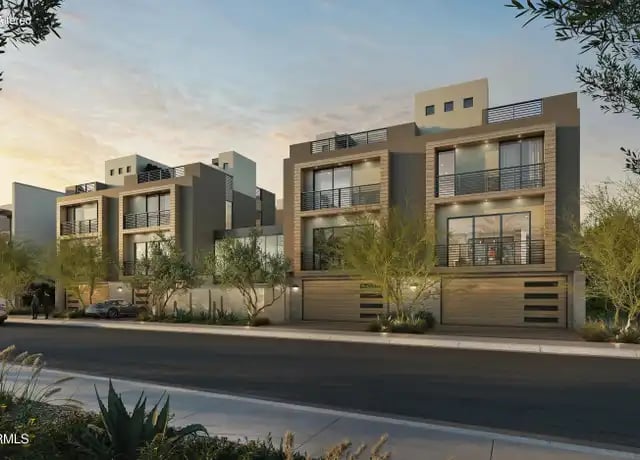
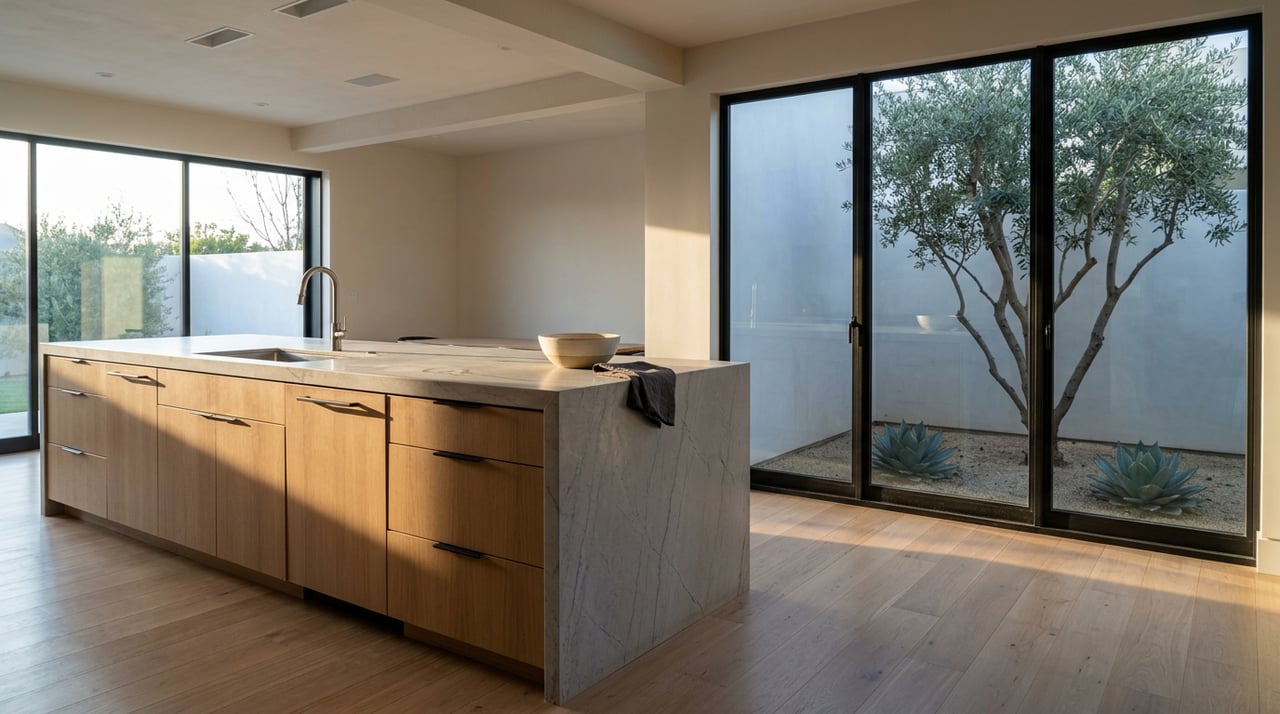
Defining traits: Low, horizontal massing, deep overhangs for shade, long patios and ramadas, large sliding glass openings, and earthy materials that blend with the Sonoran setting. These homes aim for strong indoor-outdoor flow and often frame mountain or valley views. The region’s design culture has long embraced climate-aware architecture and landscape that feels native, which supports how these homes present to buyers. For context on local desert design’s roots, see the tourism board’s overview of desert design and architecture in Scottsdale.
Resale read: Broad appeal when execution is high. If your home is desert-modern and sits to capture views with shaded outdoor rooms, it usually photographs and shows well. Buyers tend to respond to the livability and the sense that the home belongs to its site.
Contemporary estates
Defining traits: Clean lines, rectilinear forms, minimal palettes, expansive glazing, and integrated pool terraces. This look shows up in many high-end specs because it reads crisply in photos and video. For a visual reference to how contemporary homes present in the Arizona desert, explore this design feature on clean-lined contemporary desert homes.
Resale read: Strong marketability when combined with quality materials and a floor plan that lives easily. Thin or trendy finishes can date quickly, so material integrity matters.
Soft-modern interiors
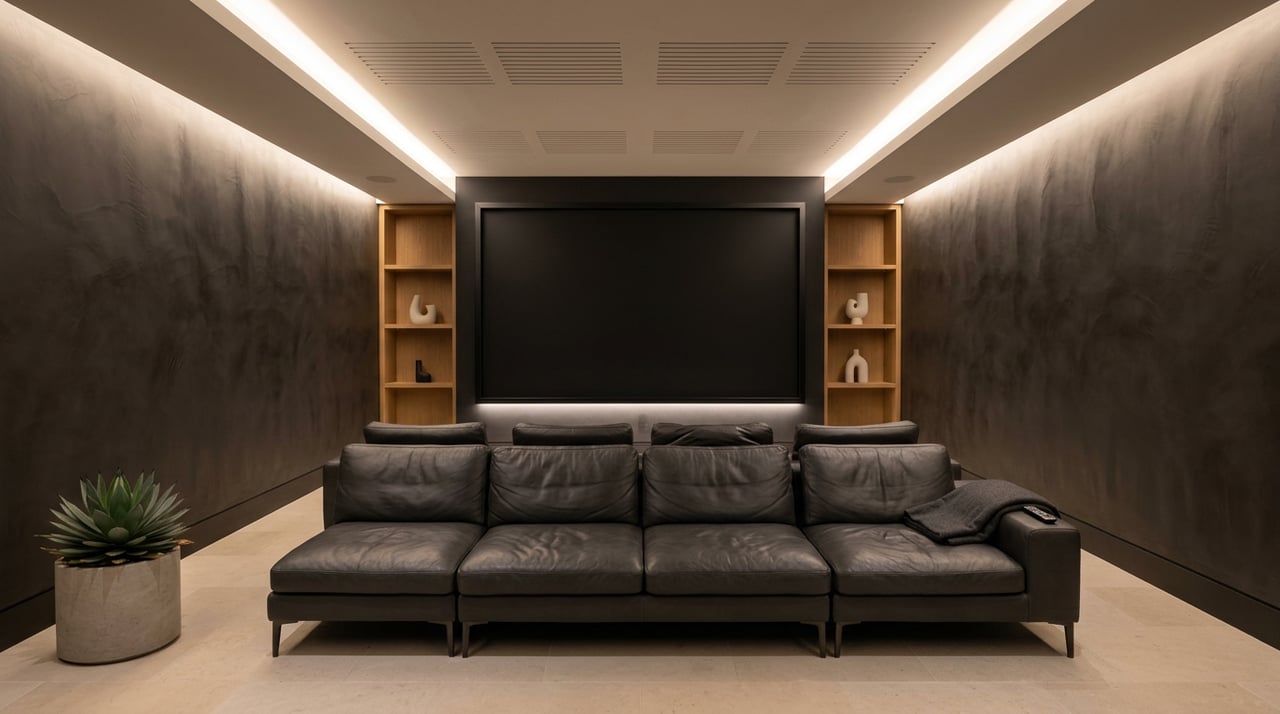
Defining traits: Warm woods, rounded or softened edges, layered textures, and a calm, tactile palette inside contemporary shells. Think modern planning without the cold minimalism. This is more of an interior language than a strict architectural style.
Resale read: Often broadens appeal within modern homes by adding warmth and comfort. If your architecture is crisp, layering soft-modern interiors can help you reach buyers who want modern lines with a livable feel.
Mid-century modern influence
Defining traits: Single-level emphasis, strong indoor-outdoor connections, and honest materials inspired by regional modernism and the Taliesin West legacy. Many homes lean into low profiles and view framing.
Resale read: Authenticity sells. Faithful restorations or sensitive updates to mid-century homes can attract design-focused buyers and command strong interest. For background on the area’s desert design heritage, see Scottsdale’s overview of desert design and architecture.
Mediterranean and Spanish villas
Defining traits: Arched loggias, textured plaster, heavy timbers, courtyards, and classic stonework. This family of design remains familiar across larger estates in PV. For a Paradise Valley example, view a rustic Mediterranean-style villa.
Resale read: Still very saleable when materials are durable and outdoor living is well developed. Tasteful refreshes that lighten palettes while respecting the architecture can widen your buyer pool.
What research says about style and price
Academic work shows that architecture can affect price, but the impact depends on local supply and demand. Studies in Europe find measurable premiums for certain styles in the right context, particularly when supply is constrained. Read a summary of those findings in this hedonic analysis on the economics of style in housing.
Separate research finds that iconic or culturally valued buildings can lift surrounding property values. In other words, design quality can create positive spillovers. Explore an analysis of iconic architecture externalities.
A broader review of studies concludes that design quality and architectural attributes are a non-trivial part of what buyers pay for, especially in markets that value aesthetics. See a synthesis of this literature in a peer-reviewed review of architecture and price formation.
How this maps to PV: land is scarce, and hillside and view protections limit what can be built or expanded. That means a style that makes the most of its site and reads as high quality can be rewarded by the market. You can see how lot orientation, view corridors, and low-density zoning shape possibilities in the Paradise Valley 2022 General Plan.
How style choices impact resale in PV
- Neighborhood fit and comparables. If your home’s style aligns with nearby estates, your buyer pool is broader. A niche or highly personalized aesthetic can narrow demand, which may extend days on market.
- Quality over theme. Buyers pay for craftsmanship, durable materials, and engineering. Lightly executed “look-alike” styles tend to underperform next to well-detailed, site-sensitive design.
- Floor plan and indoor-outdoor flow. Flexible living, generous terraces, and direct access from key rooms can outweigh pure stylistic appeal. National buyer data consistently point to functional features as decision drivers.
- Systems and documentation. Up-to-date mechanicals, roofs, waterproofing, and clean permits reduce friction at inspection and appraisal. Hillside and view rules make permit clarity important for future changes. Review zoning procedures in Article 03 of the town’s zoning ordinance.
- Presentation. Contemporary and soft-modern palettes photograph exceptionally well, which can amplify digital reach. That said, any style can present beautifully with the right lighting, staging, and narrative.
Practical prep for sellers
Use these targeted steps to position your home’s style for maximum marketability.
Audit site strengths first. List your view corridors, sun paths, privacy points, and outdoor zones. Then highlight them in how you stage furniture, showcase terraces, and orient open houses. Buyers in PV respond to outdoor living that feels seamless with the interior.
Refresh for broad appeal. Consider paint and finish updates that lighten heavy tones, swap dated fixtures for simple, high-quality hardware, and tighten landscaping with clean, low-water plantings that frame architecture rather than hide it.
Prioritize livability fixes. If your style is strong but the plan is choppy, evaluate modest changes that improve flow, like widening openings between kitchen and great room or clarifying circulation to outdoor spaces. Even small layout moves can shift buyer perception.
Modernize with restraint. If your Mediterranean or Spanish home feels dark, introduce lighter plaster tones, simpler lighting, and refined textiles. Keep authentic elements like arches and courtyards. The goal is freshness without erasing character.
Preserve mid-century integrity. If your home has original details that are in good condition, protect them. Pair sensitive restoration with performance upgrades like new glazing or discreet insulation improvements.
Solve for comfort. Ensure HVAC zones are balanced, shade structures are effective, and door systems operate smoothly. In desert settings, comfort is a style feature.
Get documentation in order. Gather permits for additions and major upgrades, plus service records for roofs, waterproofing, and mechanicals. Clean documentation builds trust and can speed negotiations. For process context, review the town’s zoning and boundary procedures.
Pricing and timing strategy
Paradise Valley’s luxury segment can show longer listing timelines than mainstream markets, and published medians vary by data source. Instead of leaning on one headline sale, build pricing from rolling, like-kind comparables that match lot, orientation, view, age, and finish level. You can also plan a strategy that sequences pre-market exposure and targeted buyer outreach before going fully live. That reduces noise and helps refine price with real feedback from qualified prospects.
Marketing that elevates design
Your home’s style deserves more than generic marketing. Luxury buyers want to feel the architecture and the lifestyle it enables.
- Narrative-first visuals. Use editorial photography and short-form video to tell the story of views, light, and daily ritual. Modern, clean visuals help any style feel current and intentional.
- Precision staging. Stage to the architecture. Desert-modern reads best with restrained, tactile furnishings. Mediterranean lives well with lighter textiles and simplified silhouettes.
If you prefer a curated process, work with an advisor who pairs deep PV micro-market knowledge with concierge logistics, pre-market funnels, and premium content production. When your listing plan respects the home’s architecture and site, you attract the right buyers faster and with stronger offers.
Ready to position your Paradise Valley home for a premium result? Request a private, no-pressure strategy session with Clayton Wolfe to benchmark your style, pricing, and launch plan.
FAQs
Which Paradise Valley styles tend to have the widest buyer appeal?
- High-quality desert contemporary and clean-lined contemporary often draw broad interest when they maximize views and indoor-outdoor living, but any style shows well when craftsmanship, comfort, and documentation are strong.
How does hillside or view zoning affect my resale options in Paradise Valley?
- Hillside and view protections limit massing and placement, which makes orientation and outdoor planning crucial for value; review priorities in the town’s General Plan and confirm your specific lot’s constraints with permitting records.
Are mid-century modern homes worth more in Paradise Valley?
- Authentic, well-preserved or sensitively updated mid-century homes can command strong interest from design-focused buyers, especially when single-level living and view framing are intact.
Should I convert my Mediterranean home to a modern look before selling?
- Full conversions are costly and not always necessary; targeted updates that lighten palettes, refine fixtures, and improve indoor-outdoor flow often widen appeal without erasing the home’s character.
What pre-list updates matter most for high-end buyers?
- Focus on livability and reliability first: smooth-operating door systems, balanced HVAC, roof and waterproofing confidence, clean permits, and outdoor rooms that function as real living space; style refreshes come next.